Do you often feel mentally sluggish, forgetful, or struggle to focus after drinking alcohol?
The occasional night out can leave us feeling a bit hazy the next day, a common experience often dismissed as a mere "hangover." But what if that fleeting feeling of mental fogginess is a sign of something more profound, something that could be impacting your brain far beyond the morning after?
Alcohol's effects on the brain are complex and far-reaching, extending from immediate brain fog and impaired judgment to significant long-term cognitive damage. Understanding these mechanisms is crucial for protecting your most vital organ and maintaining peak mental performance.
The Immediate Impact: Understanding Alcohol-Induced Brain Fog
Brain fog isn't just a vague feeling; it's a measurable decline in cognitive function. When you consume alcohol, a cascade of physiological events begins, directly interfering with your brain's ability to operate optimally. This isn't limited to heavy drinkers; even moderate consumption can trigger these effects.
At its core, alcohol is a central nervous system depressant. This means it slows down brain activity, leading to many of the immediate symptoms we associate with intoxication. However, the mechanisms behind brain fog are more intricate than simple sedation.
Neurotransmitter Imbalance: The Brain's Chemical Chaos
One of the primary ways alcohol induces brain fog is by profoundly altering the balance of neurotransmitters – the chemical messengers that allow brain cells to communicate. Alcohol primarily affects two key neurotransmitters: GABA and Glutamate.
- GABA (Gamma-Aminobutyric Acid): This is the brain's main inhibitory neurotransmitter. Alcohol enhances GABA's effects, leading to the sedative, relaxing feeling often associated with drinking. While this might feel pleasant initially, excessive GABA activity slows down cognitive processes, impairs judgment, and contributes to the feeling of mental sluggishness.
- Glutamate: This is the brain's main excitatory neurotransmitter, crucial for learning and memory formation. Alcohol suppresses glutamate activity. When glutamate is inhibited, the brain struggles to form new memories, which explains why blackouts occur. The brain essentially "forgets" to record events. After alcohol leaves the system, there's often a rebound effect where glutamate surges, leading to anxiety, irritability, and further cognitive disruption, contributing to post-alcohol brain fog. This imbalance directly impacts synaptic plasticity, the brain's ability to adapt and form new connections.
Inflammation and Oxidative Stress: An Internal Assault
Alcohol metabolism generates harmful byproducts, including acetaldehyde and reactive oxygen species (free radicals). These compounds trigger widespread neuroinflammation and oxidative stress throughout the body, including the brain. Chronic inflammation damages brain cells and impairs their function, leading to a breakdown in communication and reduced cognitive efficiency. This inflammatory response can also affect the blood-brain barrier, making the brain more vulnerable to other toxins and pathogens. The body's natural antioxidant defenses struggle to keep up with the onslaught, leading to cumulative damage.
Dehydration and Electrolyte Imbalance: The Draining Effect
Alcohol is a diuretic, meaning it increases urine production and leads to significant fluid loss. Even mild dehydration can impair cognitive function, affecting concentration, memory, and mood. The brain, composed of about 75% water, is highly sensitive to changes in hydration levels. Along with water, essential electrolytes like potassium, sodium, and magnesium are also lost. These electrolytes are vital for nerve impulse transmission and overall brain function. Their depletion can exacerbate feelings of fatigue and mental fogginess.
Sleep Disruption: A Restless Night for the Brain
Many people believe alcohol helps them sleep, but this is a misconception. While it might induce sleep faster, alcohol severely disrupts the normal sleep architecture. It reduces REM (Rapid Eye Movement) sleep, which is crucial for memory consolidation and emotional processing. It also leads to more fragmented sleep, causing frequent awakenings and poor sleep quality. Without adequate, restorative sleep, the brain cannot clear metabolic waste products, repair itself, or consolidate memories effectively, directly contributing to next-day brain fog and reduced cognitive processing.
Nutrient Depletion: Starving the Brain
Chronic alcohol consumption interferes with the absorption and utilization of essential vitamins and minerals, particularly B vitamins. Thiamine (Vitamin B1) is especially vulnerable. Thiamine is critical for glucose metabolism in the brain, which is its primary energy source. A deficiency can lead to severe neurological conditions, such as Wernicke-Korsakoff Syndrome, characterized by confusion, ataxia, and profound memory loss. Even subclinical deficiencies can impair overall brain energy production and contribute to persistent brain fog and mental fatigue.
💡 Key Takeaway
Alcohol causes immediate brain fog by disrupting neurotransmitters, inducing inflammation, dehydrating the brain, impairing sleep, and depleting vital nutrients. These effects combine to slow down cognitive processes, making it harder to think clearly, focus, and remember.
The Long-Term Toll: Chronic Alcohol Use and Cognitive Decline
While immediate brain fog is concerning, the long-term consequences of chronic alcohol exposure are even more severe. Sustained alcohol abuse can lead to irreversible structural and functional damage, accelerating cognitive decline and increasing the risk of neurodegenerative diseases.
Brain Atrophy and Structural Changes: A Shrinking Mind
One of the most well-documented effects of chronic heavy drinking is brain atrophy, or the shrinkage of brain volume. Studies using MRI scans consistently show reduced gray matter in various brain regions, including the cerebral cortex (responsible for higher-order thinking), the hippocampus (vital for memory), and the cerebellum (involved in coordination and balance). This reduction in brain volume directly correlates with impaired cognitive function, particularly in areas of memory, learning, and executive function. The loss of neurons and neuronal connections contributes to this overall shrinkage.
White Matter Damage: Severed Connections
Beyond gray matter, alcohol also significantly damages the brain's white matter. White matter consists of myelinated nerve fibers that form the "wiring" of the brain, facilitating rapid communication between different brain regions. Alcohol can strip away the myelin sheath that insulates these fibers, impairing signal transmission and reducing white matter integrity. This damage slows down information processing, affects coordination, and makes complex cognitive tasks more challenging. It's like having faulty wiring in a computer, leading to slow performance and errors.
Memory Impairment and Dementia Risk: Beyond the Blackout
While blackouts are a stark example of alcohol's immediate impact on memory, chronic use leads to more pervasive and persistent memory problems. Individuals may struggle with both encoding new information (anterograde amnesia) and recalling past events (retrograde amnesia). This isn't just about forgetting where you put your keys; it can impact professional performance, personal relationships, and overall quality of life. Furthermore, chronic heavy drinking is a significant risk factor for developing various forms of dementia, including Alzheimer's disease and vascular dementia. The neurotoxic effects, inflammation, and nutrient deficiencies all contribute to this elevated risk, accelerating the brain's aging process.
Executive Function Deficits: Losing Control
The prefrontal cortex, the brain's "command center," is particularly vulnerable to alcohol's effects. This region is responsible for executive functions, which include planning, decision-making, impulse control, working memory, and abstract reasoning. Damage to this area can lead to difficulties in problem-solving, reduced ability to regulate emotions, impaired judgment, and an increased tendency towards impulsive behavior. These deficits can severely impact an individual's ability to manage daily life, make sound choices, and maintain social relationships.
Mood and Mental Health: A Vicious Cycle
The link between alcohol abuse and mental health conditions like depression and anxiety is well-established. Alcohol can initially appear to alleviate stress or sadness, but in reality, it disrupts the very brain systems that regulate mood. Chronic use can lead to persistent feelings of sadness, anxiety, and irritability, creating a vicious cycle where individuals drink more to cope, only to worsen their mental state. This impacts cognitive function indirectly by reducing motivation, increasing stress, and making it harder to engage in activities that support brain health.
Recognizing the Signs of Alcohol-Related Cognitive Issues
It's important to be aware of the signs that alcohol might be affecting your cognitive health. These symptoms can range from subtle to severe and should not be ignored.
- Persistent Brain Fog: Feeling consistently hazy, confused, or mentally sluggish, even days after drinking.
- Memory Problems: Difficulty recalling recent events, forgetting appointments, or struggling to learn new information.
- Reduced Focus and Attention: Inability to concentrate on tasks, easily distracted, or difficulty sustaining attention.
- Slowed Processing Speed: Taking longer to understand information, respond to questions, or complete mental tasks.
- Impaired Problem-Solving: Difficulty making decisions, planning, or thinking through complex situations.
- Mood Swings and Irritability: Increased emotional volatility, anxiety, or depression.
- Fatigue: Chronic tiredness, even with adequate sleep.
- Poor Judgment: Making impulsive or risky decisions.
If you experience several of these symptoms regularly, especially in relation to your alcohol consumption, it's a strong indicator that your brain health may be compromised. Seeking professional help is crucial for diagnosis and guidance.
Reversing the Damage? Strategies for Brain Recovery
While some damage from chronic alcohol abuse can be permanent, the brain has remarkable neuroplasticity, meaning it can adapt and even recover to a significant extent, especially with dedicated effort and support. The first and most critical step is addressing alcohol consumption itself.
Abstinence or Significant Reduction
This is the cornerstone of brain recovery. Stopping or drastically reducing alcohol intake allows the brain to begin healing, rebalance neurotransmitters, reduce inflammation, and restore proper sleep patterns. The brain needs a break from the constant assault to initiate repair mechanisms.
Hydration and Nutrient-Rich Diet
Replenish lost fluids and electrolytes. Focus on a balanced diet rich in antioxidants, omega-3 fatty acids, and B vitamins. Foods like leafy greens, berries, nuts, seeds, and fatty fish provide essential building blocks for brain repair. You can learn more about the importance of omega-3s for brain health in our dedicated article.
Prioritizing Quality Sleep
Establish a consistent sleep schedule, create a relaxing bedtime routine, and ensure your sleep environment is conducive to rest. Quality sleep is indispensable for brain detoxification, memory consolidation, and overall cognitive restoration.
Regular Physical Activity
Exercise boosts blood flow to the brain, promotes the growth of new brain cells (neurogenesis), and releases neurotrophic factors that support brain health. Even moderate activity like walking can have profound benefits for cognitive function and mood.
Cognitive Stimulation and Stress Management
Engage in mentally challenging activities like learning a new language, reading, or puzzles. Manage stress through mindfulness, meditation, or hobbies, as chronic stress can further impair cognitive function. Addressing blood sugar imbalances can also significantly improve brain fog, as glucose regulation is vital for consistent brain energy.
Natural Brain Support
Alongside lifestyle changes, certain natural supplements can offer targeted support for brain recovery. Ingredients known for their neuroprotective, antioxidant, and anti-inflammatory properties can help mitigate the damage and enhance cognitive function. For example, Ginkgo Biloba is widely recognized for its benefits in improving circulation and memory.
The Cognitive Costs: How Alcohol Impairs Mental Performance
Beyond the general feeling of fogginess, alcohol specifically targets and degrades several key aspects of mental performance, making even simple tasks feel insurmountable.
Memory Loss
From temporary blackouts to long-term impairment, alcohol hinders the brain's ability to form, store, and retrieve memories, impacting both short-term recall and consolidated learning.
Reduced Focus
Alcohol directly interferes with attention networks, making it difficult to concentrate on tasks, maintain sustained focus, and filter out distractions, leading to reduced productivity and errors.
Slowed Processing Speed
The brain's ability to process information quickly is compromised, resulting in delayed reactions, slower thought processes, and a general feeling of mental sluggishness that can impede daily activities.
Impaired Decision Making
Alcohol affects the prefrontal cortex, leading to poor judgment, increased impulsivity, and a reduced capacity for logical reasoning and effective problem-solving, with potentially serious consequences.
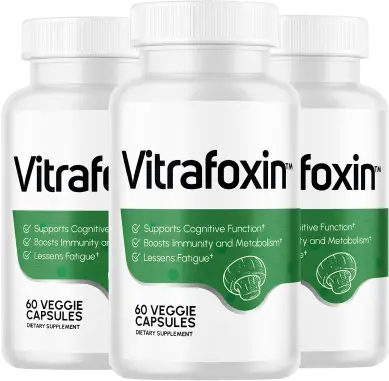
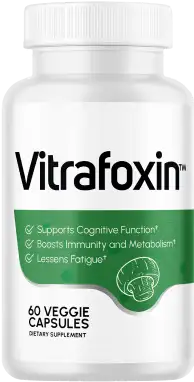
VitraFoxine: Natural Ingredients for Cognitive Renewal
VitraFoxine is formulated with a powerful blend of natural ingredients, each selected for its scientifically-backed role in supporting brain health, mental clarity, and overall cognitive function. These ingredients work synergistically to help counteract the effects of various stressors, including those caused by alcohol exposure.

Cordyceps Mushroom
Role: Supports cellular energy production, enhances oxygen utilization, and provides adaptogenic benefits, helping to combat mental fatigue and boost stamina. Known for improving focus.
500-1000mg daily
Ganoderma (Reishi) Mushroom
Role: A potent adaptogen and antioxidant, Reishi helps modulate stress responses, reduce inflammation, and protect brain cells from oxidative damage, promoting calmness and mental clarity.
250-500mg daily
Lentinula (Shiitake) Mushroom
Role: Rich in B vitamins and antioxidants, Shiitake supports nerve health and cognitive function, contributing to improved memory and focus while also bolstering the immune system.
300-600mg daily
Lion's Mane Mushroom
Role: Renowned for its neurotrophic properties, Lion's Mane stimulates Nerve Growth Factor (NGF), crucial for neuron repair and growth, potentially enhancing memory, focus, and overall cognitive health.
500-1500mg daily
Green Tea Extract
Role: Packed with powerful antioxidants (EGCG), Green Tea Extract protects brain cells from oxidative stress and inflammation. It also contains L-Theanine for calm focus without jitters.
200-400mg daily
L-Theanine
Role: An amino acid found in tea leaves, L-Theanine promotes alpha brain waves, inducing a state of relaxed alertness, improving focus, attention, and reducing stress and anxiety without drowsiness.
100-200mg daily
Spearmint Extract
Role: Emerging research suggests spearmint extract can improve working memory, focus, and attention in adults by protecting neurons and enhancing brain signaling pathways.
900mg daily
Aloe Vera
Role: Supports overall gut health, which is intricately linked to brain health via the gut-brain axis. It aids nutrient absorption and reduces systemic inflammation, indirectly benefiting cognitive function.
50-200mg daily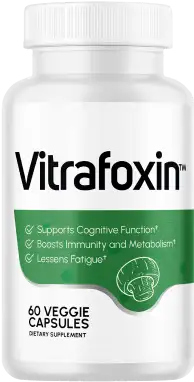
Reclaim Your Mental Edge with VitraFoxine
Don't let alcohol's insidious effects steal your mental clarity and long-term cognitive vitality. VitraFoxine offers a meticulously crafted, all-natural solution designed to support your brain's resilience and help you regain sharp focus, improved memory, and vibrant mental energy.
- ✓ Supports Neurotransmitter Balance
- ✓ Fights Oxidative Stress & Inflammation
- ✓ Enhances Memory & Focus
- ✓ Promotes Mental Clarity & Energy
- ✓ Boosts Overall Brain Health




What Our Customers Are Saying
"I used to wake up feeling so foggy, especially after a social evening. Since starting VitraFoxine, I feel a noticeable difference in my clarity and focus. It's like my brain finally got its sparkle back!"
"My memory was starting to worry me, and I suspected my occasional drinks weren't helping. VitraFoxine has truly helped. I feel sharper, remember details better, and have more sustained energy throughout the day."
"I was looking for a natural way to support my brain health as I cut back on alcohol. VitraFoxine has been fantastic. No more afternoon slump, and my concentration has improved immensely. Highly recommend!"
Frequently Asked Questions
What is brain fog and how does alcohol cause it?
+Brain fog is a collection of symptoms including confusion, poor concentration, difficulty with memory, and mental fatigue. Alcohol causes it by disrupting neurotransmitter balance, inducing inflammation, dehydrating the brain, and impairing sleep, all of which negatively impact cognitive function.
Can alcohol cause permanent brain damage?
+Yes, chronic and heavy alcohol consumption can lead to permanent structural and functional changes in the brain, including brain atrophy, white matter damage, and an increased risk of various forms of dementia. Conditions like Wernicke-Korsakoff Syndrome are direct results of long-term alcohol abuse.
How long does it take for brain fog to clear after quitting alcohol?
+The timeline for brain fog to clear varies greatly depending on the individual's history of alcohol use, overall health, and commitment to recovery. Some may experience improvements within weeks, while for others, significant clarity can take several months to a year, as the brain slowly heals and rebalances.
Are there natural ways to support brain recovery from alcohol?
+Absolutely. Beyond abstinence, crucial steps include maintaining excellent hydration, adopting a nutrient-rich diet, ensuring sufficient quality sleep, engaging in regular physical exercise, and incorporating cognitive stimulation. Certain natural supplements, like VitraFoxine, can also provide targeted support for brain health and detoxification.
Is VitraFoxine suitable for everyone?
+VitraFoxine is formulated with natural ingredients generally recognized as safe. However, as with any supplement, it's always recommended to consult with your healthcare provider, especially if you have pre-existing medical conditions, are taking other medications, or are pregnant/nursing. It is not intended to treat, cure, or prevent any disease.
How does VitraFoxine help with cognitive function?
+VitraFoxine is designed to support cognitive function through a blend of natural ingredients known for their neuroprotective, antioxidant, and anti-inflammatory properties. It aims to enhance neurotransmitter balance, improve cerebral blood flow, reduce oxidative stress, and support overall brain cell health, helping to mitigate brain fog and promote mental clarity.
Related Articles


