Feeling mentally sluggish, forgetful, or struggling to focus?
In our fast-paced world, many of us experience bouts of brain fog and mental fatigue. We often attribute these frustrating cognitive symptoms to stress, lack of sleep, or an overloaded schedule. While these factors certainly play a role, there's a surprisingly common culprit often overlooked: dehydration.
Even mild dehydration, easily achieved through daily activities and insufficient fluid intake, can significantly impair your brain's ability to function optimally. Understanding this crucial link is the first step towards reclaiming your mental clarity and sustained energy.
The Crucial Role of Water in Brain Function
Your brain, though only about 2% of your body weight, consumes a disproportionate amount of your body's energy and resources. Water is absolutely fundamental to virtually every process that occurs within it.
Imagine your brain as a complex, high-performance machine. Just like any intricate engine, it requires the right fluids to run smoothly. Water plays multiple vital roles: it acts as a lubricant for brain tissue, facilitates the transport of nutrients and oxygen, and helps remove waste products. When you're well-hydrated, your brain cells are plump and efficient, and the electrical signals that govern thought and memory fire quickly and clearly. Conversely, even a slight dip in hydration levels can throw a wrench into this delicate system, leading to noticeable cognitive decline. The brain is remarkably sensitive to changes in fluid balance, and even a 1-2% reduction in body water can initiate a cascade of negative effects on mental performance.
How Dehydration Directly Impacts Your Brain
The effects of dehydration on cognitive function are surprisingly profound and multi-layered. It's not just about feeling thirsty; it's about fundamental changes at a cellular level.
Firstly, dehydration leads to a reduction in blood volume. Less blood means less oxygen and fewer essential nutrients reaching your brain cells. This diminished supply can cause brain cells to operate inefficiently, leading to feelings of sluggishness and difficulty concentrating. Research has shown that even mild dehydration can reduce cerebral blood flow by 10-20%, which is a significant drop for an organ so dependent on a constant supply of resources.
Secondly, your brain relies on a delicate balance of electrolytes, such as sodium, potassium, and magnesium, to facilitate nerve impulses. Dehydration can disrupt this balance, interfering with the electrical activity in your brain. This can manifest as impaired memory, slower reaction times, and general mental confusion. Without proper electrolyte balance, neurons struggle to communicate effectively, leading to the "static" feeling of brain fog.
Thirdly, dehydration can actually cause your brain tissue to shrink temporarily. Studies using MRI have shown that the brains of dehydrated individuals have a slightly reduced volume compared to when they are properly hydrated. While this shrinkage is reversible, it can certainly contribute to headaches and a feeling of "pressure" or discomfort, further exacerbating mental fatigue. This physical change can also impact the efficiency of neural pathways.
Finally, the production and function of neurotransmitters – the chemical messengers that transmit signals between nerve cells – are highly dependent on adequate hydration. Neurotransmitters like serotonin (mood regulation), dopamine (focus and motivation), and glutamate (learning and memory) can all be negatively affected. When these vital chemicals are out of balance, it directly impacts your mood, attention span, and ability to process information.
💡 Key Takeaway
Dehydration, even at mild levels, significantly impairs brain function by reducing blood flow, disrupting electrolyte balance, causing temporary brain shrinkage, and negatively impacting neurotransmitter activity. This leads directly to symptoms of brain fog, mental fatigue, and reduced cognitive performance.
Common Symptoms of Dehydration-Induced Brain Fog and Mental Fatigue
Recognizing the signs of dehydration-induced brain fog is crucial for addressing the problem effectively. Many people dismiss these symptoms as normal daily stress, when a simple glass of water might be the solution.
One of the most frequently reported symptoms is a general feeling of mental sluggishness. Thoughts might feel slow, and you might find it difficult to articulate your ideas or engage in complex conversations. This often comes hand-in-hand with a noticeable reduction in focus and concentration. Tasks that normally require sustained attention become challenging, and you might find your mind wandering frequently.
Memory issues are another hallmark of dehydration-related brain fog. You might struggle to recall recent events, forget appointments, or have difficulty retrieving words. This isn't just about significant memory loss; it's often subtle, like feeling that information is just out of reach.
Making decisions can also become an arduous task. Impaired decision-making and a feeling of indecisiveness are common, as your brain struggles to process information efficiently and weigh options. This can be particularly frustrating in professional settings or when trying to manage daily responsibilities.
Beyond cognitive symptoms, dehydration often brings physical manifestations that worsen mental fatigue. These include persistent headaches, often described as a dull ache or pressure, and general fatigue that no amount of sleep seems to cure. Irritability and a noticeable dip in mood are also common, as the brain's emotional regulation centers are affected. If you find yourself frequently experiencing a combination of these symptoms, it's worth considering your hydration habits.
Beyond Thirst: Subtle Signs You Might Be Dehydrated
Thirst is often the last sign of dehydration, meaning you're already in a state of fluid deficit by the time you feel it. Being aware of more subtle indicators can help you stay ahead of cognitive decline.
Pay attention to your urine color. Ideally, your urine should be a pale yellow, similar to lemonade. If it's a darker yellow or amber, it's a strong indicator that you need to drink more water. Another common sign is dry mouth or sticky saliva, even if you don't feel overtly thirsty. This reflects a systemic lack of fluid. Persistent fatigue or low energy throughout the day, even after adequate sleep, can often be traced back to insufficient hydration. Your body needs water to produce energy efficiently.
Occasional dizziness or lightheadedness, especially when standing up quickly, can also signal dehydration affecting blood pressure regulation. Furthermore, dry skin or chapped lips are external indicators of your body's overall hydration status. Muscle cramps or a general feeling of weakness can also be linked to electrolyte imbalances caused by dehydration. By recognizing these subtle cues, you can take proactive steps to hydrate before brain fog sets in. For those seeking to optimize their overall vitality, exploring options like the best vitality supplement can complement a good hydration strategy.
The Multifaceted Advantages of Optimal Hydration for Your Brain
Prioritizing proper hydration offers a wealth of benefits that extend far beyond simply quenching thirst, profoundly impacting your cognitive health and overall well-being.
Enhanced Mental Clarity and Focus
When your brain is adequately hydrated, blood flow is optimized, ensuring a steady supply of oxygen and nutrients. This allows neurons to fire more efficiently, leading to sharper thinking, improved concentration, and the ability to maintain focus for longer periods without mental fatigue.
Improved Memory and Learning
Adequate hydration supports the structural integrity of brain cells and the efficient transmission of nerve impulses. This translates to better short-term and long-term memory recall, as well as an enhanced capacity for learning new information and skills. You'll find it easier to retain what you've learned.
Elevated Mood and Reduced Irritability
Dehydration can negatively impact neurotransmitter balance, leading to mood swings, anxiety, and irritability. Staying well-hydrated helps stabilize these chemical messengers, promoting a more balanced mood, reducing stress levels, and fostering a greater sense of calm and well-being.
Increased Energy Levels and Reduced Fatigue
Water is essential for cellular energy production. When you're properly hydrated, your cells can convert nutrients into energy more effectively, combating feelings of sluggishness and chronic fatigue. This provides a natural boost to your physical and mental stamina throughout the day.
Faster Reaction Times and Cognitive Processing
The speed at which your brain processes information and responds to stimuli is directly influenced by hydration. Optimal fluid balance ensures rapid nerve signal transmission, leading to quicker reaction times, improved problem-solving abilities, and enhanced overall cognitive agility.
Fewer Headaches and Migraines
Dehydration is a common trigger for headaches and can exacerbate migraines. By maintaining consistent hydration, you can prevent the temporary shrinkage of brain tissue and the changes in blood flow that often lead to these painful conditions, promoting overall comfort and mental ease.

Practical Strategies to Maintain Optimal Hydration
Making consistent hydration a part of your daily routine doesn't have to be complicated. Small, mindful changes can make a significant difference in preventing brain fog and boosting mental energy.
Drink Water Regularly
Don't wait until you're thirsty. Sip water consistently throughout the day. Keep a reusable water bottle handy at your desk, in your car, or in your bag. Set reminders on your phone if you need to, aiming for small, frequent intakes rather than large gulps.
Incorporate Water-Rich Foods
Many fruits and vegetables have high water content and can significantly contribute to your daily fluid intake. Think watermelon, cucumbers, oranges, berries, celery, and lettuce. These foods also provide essential vitamins, minerals, and electrolytes that support overall health.
Limit Dehydrating Beverages
While coffee and tea contain water, their diuretic effects mean they don't count towards your total hydration in the same way. Excessive alcohol consumption is also highly dehydrating. Enjoy these in moderation and balance them with extra water intake.
Monitor and Adjust
Pay attention to your body's signals and your environment. On hot days or during intense exercise, your fluid needs will increase. Monitor your urine color as a simple indicator of your hydration status – aim for a pale straw color.
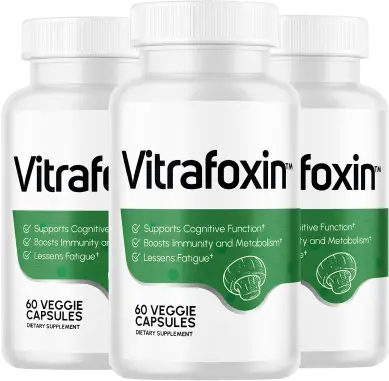
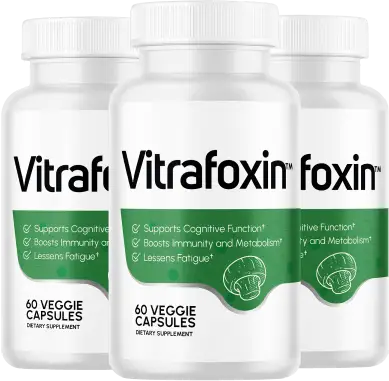
VitraFoxine: Supporting Cognitive Wellness Beyond Hydration
While optimal hydration is the cornerstone of preventing dehydration-induced brain fog, a holistic approach to cognitive health can include targeted nutritional support. VitraFoxine is formulated with a blend of natural ingredients known for their adaptogenic and neuroprotective properties, designed to complement your healthy lifestyle and further enhance mental clarity, focus, and energy.

Cordyceps Sinensis
Role: An adaptogenic mushroom revered for its ability to enhance energy, stamina, and oxygen utilization. It helps combat fatigue and supports overall cellular health, contributing to sustained mental vigor.
Standardized extract 300-500mg
Ganoderma Lucidum (Reishi)
Role: Known as the "mushroom of immortality," Reishi is a powerful adaptogen that supports stress reduction, promotes relaxation, and offers neuroprotective benefits, helping to calm the mind and improve focus.
Standardized extract 200-400mg
Lentinula Edodes (Shiitake)
Role: Rich in antioxidants and B vitamins, Shiitake mushrooms support overall immune function and provide compounds that protect brain cells from oxidative stress, contributing to long-term cognitive health.
Standardized extract 150-300mg
Camellia Sinensis (Green Tea)
Role: Contains L-Theanine, an amino acid that promotes a state of calm alertness, improves attention, and reduces stress without causing drowsiness. It works synergistically with caffeine (if present) to enhance cognitive function.
Standardized extract 100-200mg
Mentha Spicata (Spearmint)
Role: Emerging research suggests spearmint extract can significantly improve working memory, attention, and the ability to fall asleep, making it a valuable addition for mental sharpness and overall brain performance.
Standardized extract 50-150mg
Aloe Vera
Role: While primarily known for digestive and skin health, Aloe Vera's rich antioxidant profile and anti-inflammatory properties contribute to overall bodily wellness, indirectly supporting a healthy environment for optimal brain function.
Standardized extract 50-100mgFor those interested in exploring how VitraFoxine works to support mental clarity, you can find more detailed information by clicking here: Does VitraFoxine Work?
Ready to Experience Unwavering Clarity and Focus?
If you're tired of battling brain fog, struggling with mental fatigue, and feeling your cognitive edge slip away, VitraFoxine offers a natural path to support your brain's peak performance. Developed by neurological health experts, VitraFoxine combines powerful, scientifically-backed ingredients to help you unlock sustained focus, sharper memory, and vibrant mental energy. Don't let dehydration or daily stressors dim your mental brilliance any longer.
- ✓ Supports Mental Clarity & Focus
- ✓ Enhances Memory & Learning
- ✓ Boosts Energy & Reduces Fatigue
- ✓ Made with 100% Natural Ingredients
- ✓ Non-GMO, GMP Certified, Made in USA




What Our Customers Are Saying About VitraFoxine
"I used to struggle with a foggy mind every afternoon, making it hard to concentrate at work. After starting VitraFoxine, along with making sure I drink enough water, I feel so much sharper and more energetic throughout the day. It's been a game-changer!"
"My memory wasn't what it used to be, and I often felt mentally drained. VitraFoxine has helped me regain my focus and recall things much more easily. It's a fantastic supplement that truly supports brain health, especially when combined with good hydration habits."
"I was skeptical at first, but the consistent mental clarity and sustained energy I've experienced with VitraFoxine are undeniable. It's not a magic pill, but it definitely gives my brain the support it needs to function at its best. Highly recommend it for anyone fighting brain fog."
Frequently Asked Questions
What exactly is brain fog and how does dehydration contribute to it?
+Brain fog is not a medical condition itself but a collection of symptoms like mental sluggishness, difficulty focusing, and impaired memory. Dehydration, even mild, can significantly reduce blood flow to the brain, disrupt electrolyte balance, and impact neurotransmitter function, leading directly to these cognitive impairments.
How much water do I really need to drink to prevent dehydration and brain fog?
+General guidelines suggest around eight 8-ounce glasses (about 2 liters) of water daily, but individual needs vary based on activity level, climate, and health. The best indicator is urine color: aim for pale yellow. Consistent hydration throughout the day is more effective than drinking large amounts at once.
Are there other effective ways to stay hydrated besides just drinking plain water?
+Absolutely! Incorporating water-rich foods like fruits (watermelon, oranges, berries) and vegetables (cucumber, lettuce, celery) can significantly boost hydration. Herbal teas, diluted fruit juices, and broths also contribute. Limiting dehydrating beverages like excessive caffeine and alcohol is also crucial.
Can VitraFoxine help with brain fog, especially if it's related to dehydration?
+While VitraFoxine is not a substitute for proper hydration, its blend of natural ingredients like adaptogenic mushrooms and cognitive enhancers can support overall brain health, focus, and mental energy. By optimizing neurological function, it can complement your hydration efforts in combating brain fog and fatigue.
How quickly can I expect to notice improvements in my mental clarity once I start hydrating properly?
+Many individuals report feeling a noticeable difference in energy and mental clarity within hours or a few days of consistently improving their hydration. For chronic dehydration or more significant brain fog, it might take a week or two to experience the full benefits as your body rebalances.
Is VitraFoxine safe for long-term daily use to support cognitive function?
+VitraFoxine is formulated with natural ingredients and is generally considered safe for long-term daily use when taken as directed. It is designed to be a sustainable support for cognitive health. However, as with any supplement, it's always recommended to consult with your healthcare provider before starting any new regimen, especially if you have existing health conditions.
Related Articles