Struggling with Brain Fog and Mental Fatigue?
Do you often feel like your thoughts are trapped behind a thick veil, making it hard to focus, remember things, or even think clearly? This pervasive feeling, commonly known as brain fog, is more than just a passing annoyance; it can significantly impact your productivity, mood, and overall quality of life. Mental fatigue often accompanies it, leaving you drained even after a full night's sleep.
The good news is that you don't have to live with a cloudy mind. While various factors contribute to brain fog, from stress to sleep deprivation, one of the most powerful and often overlooked solutions lies directly on your plate. By making informed dietary choices, you can unlock your brain's full potential, enhance cognitive function, and experience a profound sense of mental clarity and sustained energy.
Understanding Brain Fog and Its Impact
Brain fog is not a medical diagnosis in itself, but rather a constellation of symptoms that can leave you feeling mentally sluggish and unfocused. It's a common complaint, especially in our fast-paced, high-stress modern world.
Imagine trying to navigate a dense fog – visibility is low, movements are slow, and direction is hard to discern. This is often how individuals describe the experience of brain fog. Symptoms commonly include difficulty concentrating, problems with memory recall, a general feeling of mental sluggishness, lack of mental clarity, reduced processing speed, and persistent mental fatigue. It can manifest as trouble finding the right words, forgetting why you entered a room, or struggling to follow complex conversations. This persistent mental cloudiness can severely impact your daily life, affecting job performance, academic success, and even personal relationships.
The causes of brain fog are multifaceted and can range from lifestyle factors to underlying health conditions. Common culprits include sleep deprivation, chronic stress, nutritional deficiencies, inflammation, hormonal imbalances, and certain medications. Poor gut health is also increasingly recognized as a significant contributor, given the intricate connection between the gut and the brain, often referred to as the gut-brain axis. Understanding these potential causes is the first step towards finding effective solutions.
While brain fog can feel overwhelming, identifying its root causes and making targeted changes can lead to remarkable improvements. This article will focus on one of the most accessible and impactful avenues for relief: your diet. By providing your brain with the right fuel, you can help clear the fog and restore your cognitive sharpness.
The Profound Connection Between Your Diet and Brain Health
Your brain, though only about 2% of your body weight, consumes roughly 20% of your daily caloric intake. It's a highly active organ that demands a constant and high-quality supply of nutrients to function optimally.
The foods you eat directly influence the structure and function of your brain, affecting everything from your mood to your memory and ability to focus. A diet rich in essential nutrients can protect brain cells from damage, reduce inflammation, improve communication between neurons, and support the production of vital neurotransmitters. Conversely, a diet high in processed foods, unhealthy fats, and refined sugars can lead to chronic inflammation, oxidative stress, and impaired cognitive function, paving the way for brain fog and mental fatigue.
Consider your brain as a high-performance engine. Just as a premium car requires premium fuel, your brain thrives on nutrient-dense, wholesome foods. These foods provide the building blocks for new brain cells, the energy for neurotransmission, and the antioxidants to defend against cellular damage. Making conscious choices about what you consume is not just about physical health; it's a direct investment in your mental acuity and long-term cognitive vitality.
💡 Key Takeaway
Brain fog is a common symptom of mental sluggishness and impaired focus, often stemming from lifestyle factors and nutritional gaps. A targeted, nutrient-rich diet is a powerful and accessible strategy to combat brain fog, enhance cognitive function, and restore mental clarity by fueling your brain with essential building blocks and protective compounds.
Foods That Supercharge Your Brain and Banish the Fog
To cultivate a clear and sharp mind, prioritize foods that are rich in antioxidants, healthy fats, vitamins, and minerals. Here's a comprehensive guide to the dietary heroes that can transform your cognitive landscape:
1. Omega-3 Fatty Acids: The Brain's Essential Fuel
Omega-3 fatty acids, particularly DHA (docosahexaenoic acid) and EPA (eicosapentaenoic acid), are non-negotiable for optimal brain health. DHA is a major structural component of the brain, making up about 25% of its fat content. These healthy fats are crucial for maintaining the fluidity of cell membranes, which is essential for efficient communication between brain cells. They also play a vital role in reducing inflammation throughout the body, including the brain, which is a common underlying factor in brain fog and cognitive decline. Research consistently shows that higher intake of omega-3s is linked to improved memory, learning, and overall cognitive performance. Furthermore, they are known to support mood regulation and may help alleviate symptoms of depression and anxiety, which often coexist with brain fog.
Top Sources:
- Fatty Fish: Salmon, mackerel, sardines, herring, and trout are excellent sources. Aim for at least two servings per week.
- Flaxseeds: Rich in ALA (alpha-linolenic acid), a plant-based omega-3. Grind them to maximize absorption.
- Chia Seeds: Another great plant-based source of ALA, versatile for smoothies and puddings.
- Walnuts: Contain ALA and are also packed with antioxidants.
2. Antioxidant-Rich Berries: Nature's Brain Protectors
Berries are bursting with antioxidants, especially flavonoids, which have been shown to cross the blood-brain barrier and exert direct beneficial effects on brain cells. These powerful compounds help protect the brain from oxidative stress, a process that can damage cells and contribute to cognitive decline and brain fog. Antioxidants neutralize free radicals, unstable molecules that can harm brain tissue. Beyond protection, berries have been linked to improved memory and learning. They can also enhance communication between brain cells and stimulate the production of new neurons. Regular consumption of berries is associated with a slower rate of cognitive decline and can significantly improve existing mental clarity.
Top Sources:
- Blueberries: Often called "brainberries" due to their high concentration of anthocyanins, a type of flavonoid.
- Strawberries: Rich in fisetin, another flavonoid linked to memory enhancement.
- Raspberries and Blackberries: Also excellent sources of antioxidants and other beneficial compounds.
3. Leafy Green Vegetables: The Foundation of Brain Health
When it comes to brain-boosting foods, leafy greens are undeniable champions. Vegetables like spinach, kale, collard greens, and Swiss chard are packed with a formidable array of nutrients vital for cognitive function. They are rich in vitamin K, lutein, folate (vitamin B9), and beta-carotene, all of which have been shown to support brain health. Vitamin K is essential for the formation of sphingolipids, a type of fat densely packed into brain cells, crucial for their structure and function. Folate plays a key role in reducing homocysteine levels, an amino acid that, in high concentrations, has been linked to cognitive impairment and increased risk of dementia. The antioxidants in leafy greens also help protect against oxidative damage, while their fiber content supports a healthy gut microbiome, which, as discussed, has a direct impact on brain health via the gut-brain axis. Aim for at least one serving of leafy greens daily to reap these significant benefits.
Top Sources:
- Spinach: Versatile and packed with vitamins K, A, and C, plus folate.
- Kale: A nutritional powerhouse, high in antioxidants and vitamin K.
- Broccoli: Contains high levels of vitamin K and choline, which is important for memory.
- Swiss Chard: Rich in antioxidants and minerals like magnesium.
4. Nuts and Seeds: Powerhouses of Brain-Healthy Nutrients
Nuts and seeds are convenient and potent sources of brain-boosting nutrients. They provide healthy fats, fiber, and a variety of vitamins and minerals crucial for cognitive function. Many nuts, especially walnuts, are rich in omega-3 fatty acids (ALA). Most nuts and seeds are also excellent sources of vitamin E, a powerful antioxidant that protects brain cells from oxidative stress and may help prevent cognitive decline. Furthermore, they contain magnesium, a mineral involved in over 300 enzymatic reactions in the body, including those critical for nerve transmission and brain energy metabolism. The protein and fiber content in nuts and seeds also help stabilize blood sugar levels, preventing the energy crashes that can contribute to brain fog.
Top Sources:
- Walnuts: Unique among nuts for their high ALA content and distinctive brain-like shape.
- Almonds: Rich in vitamin E and magnesium.
- Pecans: Another good source of vitamin E.
- Pumpkin Seeds: High in magnesium, zinc, copper, and iron, all vital for brain health.
- Sunflower Seeds: Excellent source of vitamin E.
5. Whole Grains: Sustained Energy for Your Brain
Unlike refined carbohydrates that cause rapid spikes and crashes in blood sugar, whole grains provide a steady supply of glucose to the brain. Glucose is the brain's primary fuel source, and a consistent, stable supply is crucial for sustained focus and mental energy. Whole grains, such as oats, brown rice, quinoa, and whole wheat, are rich in fiber, which helps slow down glucose absorption. They also contain B vitamins (thiamine, riboflavin, niacin, folate), which are essential for nerve function and energy production within brain cells. A deficiency in B vitamins can lead to fatigue, irritability, and difficulty concentrating, all symptoms associated with brain fog. Choosing whole grains over processed alternatives ensures your brain receives the consistent energy it needs to perform optimally throughout the day.
Top Sources:
- Oats: Great for breakfast, providing sustained energy.
- Quinoa: A complete protein and good source of fiber and minerals.
- Brown Rice: A healthier alternative to white rice, rich in B vitamins.
- Whole Wheat Bread/Pasta: Look for 100% whole grain options.
6. Herbs and Spices: Flavorful Brain Boosters
Beyond adding flavor to your meals, many herbs and spices possess remarkable neuroprotective and cognitive-enhancing properties. These natural powerhouses are often overlooked but contain potent bioactive compounds that can significantly benefit brain health. For example, turmeric contains curcumin, a compound with powerful anti-inflammatory and antioxidant effects that can cross the blood-brain barrier and may improve memory and mood. Rosemary contains carnosic acid, which protects the brain from free radical damage and has been linked to improved alertness and memory. Sage has a long history of use for enhancing memory and focus. Even common spices like black pepper (which enhances curcumin absorption) and cinnamon (which helps regulate blood sugar) contribute to a brain-healthy diet. Incorporating a variety of these into your daily cooking is an easy way to give your brain an extra edge.
Top Sources:
- Turmeric: Use in curries, soups, or golden milk.
- Rosemary: Great with roasted vegetables or meats.
- Sage: Often used in stuffings or with poultry.
- Cinnamon: Sprinkle on oatmeal, fruit, or in smoothies.
- Ginger: Known for its anti-inflammatory properties.
7. Fermented Foods: The Gut-Brain Connection
The saying "gut feeling" has more scientific backing than you might think. The gut-brain axis is a complex bidirectional communication system between the central nervous system and the enteric nervous system of the gut. A healthy gut microbiome, teeming with beneficial bacteria, is crucial for producing neurotransmitters like serotonin and dopamine, which significantly influence mood, cognitive function, and mental clarity. Fermented foods are rich in probiotics, live beneficial bacteria that can replenish and diversify your gut flora. By improving gut health, fermented foods can reduce systemic inflammation, enhance nutrient absorption, and optimize neurotransmitter production, all of which contribute to a clearer mind and reduced brain fog. If you're looking for more ways to enhance your vitality, you might find our article on how to improve vitality naturally insightful.
Top Sources:
- Kefir: A fermented milk drink, excellent for probiotics.
- Sauerkraut: Fermented cabbage, rich in probiotics and vitamins.
- Kimchi: A spicy Korean fermented cabbage dish.
- Yogurt: Choose plain, unsweetened varieties with live active cultures.
- Tempeh: Fermented soybean product, a good source of plant-based protein.
8. Medicinal Mushrooms: Ancient Wisdom for Modern Minds
Certain medicinal mushrooms have been revered for centuries in traditional medicine for their profound health benefits, including their impact on cognitive function. These fungi are rich in unique compounds like beta-glucans, triterpenes, and polysaccharides that exhibit powerful neuroprotective, anti-inflammatory, and immunomodulating properties. For instance, Lion's Mane mushroom is particularly celebrated for its ability to stimulate Nerve Growth Factor (NGF), which plays a crucial role in the growth, maintenance, and survival of neurons, potentially enhancing memory and focus. Cordyceps is known for boosting energy and reducing fatigue, which can directly combat mental sluggishness. Reishi (Ganoderma) is often used for its calming effects, helping to reduce stress and improve sleep, both vital for mental clarity. Incorporating these mushrooms, either through diet or quality supplements, can offer a unique pathway to supporting your brain's resilience and function.
Top Sources:
- Lion's Mane: Can be found fresh or in powdered extracts.
- Cordyceps: Available as supplements or in some health food stores.
- Reishi (Ganoderma): Often consumed as a tea or extract.
- Shiitake (Lentinula): A culinary mushroom with immune-boosting properties.
The Critical Role of Hydration for Mental Clarity
While often overlooked, adequate hydration is fundamental to optimal brain function. Your brain is composed of about 75% water, and even mild dehydration can significantly impair cognitive performance.
When you're dehydrated, your brain tissue can actually shrink, leading to symptoms like headaches, poor concentration, reduced alertness, and a noticeable decline in short-term memory. Dehydration also affects blood flow to the brain and can disrupt electrolyte balance, both of which are critical for proper neurological function. Staying well-hydrated ensures efficient nutrient delivery to brain cells and effective waste removal. Make water your primary beverage choice, aiming for at least 8 glasses (around 2 liters) per day, and more if you are active or in a warm climate. Herbal teas and water-rich fruits and vegetables also contribute to your daily fluid intake, helping to keep your mind sharp and clear.
Foods to Limit or Avoid for a Sharper Mind
Just as certain foods can boost brain health, others can actively detract from it, contributing to inflammation, energy crashes, and mental fog.
To maintain peak cognitive function, it's wise to significantly reduce or eliminate:
- Refined Sugars and Processed Foods: These cause rapid blood sugar spikes followed by crashes, leading to energy dips and difficulty concentrating. They also promote inflammation, which is detrimental to brain health. Think sugary drinks, candies, pastries, and many packaged snacks.
- Trans Fats and Hydrogenated Oils: Found in many fried foods, fast food, and some processed baked goods, these unhealthy fats are linked to increased inflammation and a higher risk of cognitive decline. Opt for healthy fats like those found in avocados, nuts, and olive oil instead.
- Excessive Alcohol: While moderate consumption might have some benefits, excessive alcohol intake is a neurotoxin that can impair memory, judgment, and overall brain function, exacerbating brain fog.
- Artificial Sweeteners and Food Additives: Some studies suggest that certain artificial sweeteners and food dyes may have negative impacts on gut health and brain function, although more research is needed. It's generally best to stick to whole, unprocessed foods.
Beyond Diet: Holistic Approaches to Mental Clarity
While diet is a cornerstone of brain health, a truly clear and sharp mind is achieved through a holistic approach that integrates several key lifestyle factors.
Adequate Sleep: Sleep is not a luxury; it's a necessity for cognitive repair and consolidation. During deep sleep, your brain clears out metabolic waste products that accumulate during waking hours, including amyloid-beta proteins linked to Alzheimer's disease. Aim for 7-9 hours of quality sleep per night to allow your brain to reset and recharge.
Regular Physical Activity: Exercise boosts blood flow to the brain, delivering more oxygen and nutrients. It also stimulates the release of brain-derived neurotrophic factor (BDNF), a protein that promotes the growth of new brain cells and enhances synaptic plasticity, which is essential for learning and memory. Even a brisk walk for 30 minutes most days of the week can make a significant difference.
Stress Management: Chronic stress floods your brain with cortisol, a hormone that can damage brain cells and impair memory and focus. Incorporate stress-reducing practices into your daily routine, such as meditation, yoga, deep breathing exercises, spending time in nature, or engaging in hobbies you enjoy.
Mental Stimulation: Keep your brain active and engaged by learning new skills, reading, solving puzzles, or engaging in intellectually stimulating conversations. This helps build cognitive reserve and maintain neuroplasticity, keeping your mind sharp as you age.
By combining a brain-healthy diet with these essential lifestyle practices, you create a powerful synergy that can effectively clear mental fog, enhance cognitive performance, and foster long-term brain vitality.

The Benefits of a Brain-Boosting Diet
Adopting a diet rich in brain-healthy foods offers a cascade of benefits that extend far beyond simply clearing mental fog. These positive changes contribute to overall well-being and a more vibrant life.
Enhanced Memory and Recall
Nourishing your brain with essential nutrients strengthens neural pathways and supports the formation of new connections, leading to improved short-term and long-term memory. You'll find it easier to remember names, dates, and important information, reducing the frustration associated with forgetfulness.
Sharpened Focus and Concentration
A well-fed brain is a focused brain. By providing a steady supply of glucose and neurotransmitter precursors, brain-healthy foods help maintain stable energy levels and optimize brain activity, allowing you to concentrate better on tasks and avoid distractions. This translates to increased productivity and efficiency in all areas of your life.
Reduced Mental Fatigue and Sustained Energy
Say goodbye to that mid-afternoon slump. Foods rich in complex carbohydrates, healthy fats, and B vitamins provide sustained energy release, preventing the crashes that often accompany brain fog. You'll experience more consistent mental energy throughout the day, enabling you to tackle challenges with renewed vigor.
Improved Mood and Emotional Stability
The gut-brain axis plays a crucial role in mood regulation. A diet that supports a healthy gut microbiome and provides nutrients for neurotransmitter production (like serotonin and dopamine) can lead to a more positive outlook, reduced anxiety, and greater emotional resilience. This holistic improvement enhances your overall sense of well-being.
Neuroprotection and Long-Term Cognitive Health
Antioxidant-rich foods and healthy fats protect brain cells from oxidative damage and inflammation, which are key drivers of cognitive decline. By safeguarding your brain from these threats, you not only improve current function but also lay the groundwork for long-term cognitive vitality and a reduced risk of age-related neurological issues.
Navigating Your Brain Health Journey
Consistency is Key
Achieving lasting brain health improvements through diet requires consistency. Small, sustainable changes made daily are far more effective than drastic, short-lived efforts. Integrate brain-boosting foods regularly into your meals and snacks for cumulative benefits.
Listen to Your Body
Everyone's body is unique. Pay attention to how different foods affect your energy levels, mood, and mental clarity. Keep a food journal to identify patterns and discover which foods make you feel your best and which might contribute to brain fog.
Consider Targeted Support
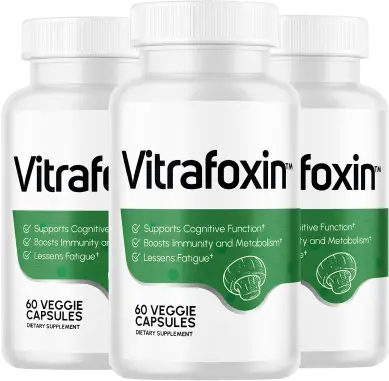
Even with a perfect diet, sometimes our bodies need extra support to meet the demands of modern life. If you're looking for an added edge in clearing mental fog and boosting cognitive energy, exploring a high-quality, natural brain health supplement might be a valuable step. For detailed insights, consider reading our article on VitraFoxine for Mental Fatigue and Cognitive Energy.
Key Ingredients for Cognitive Support
For those seeking targeted support beyond diet, certain natural ingredients have demonstrated significant promise in enhancing brain health and combating mental fatigue. These are often found in high-quality cognitive supplements.

Cordyceps Sinensis
Role: Known for increasing ATP production (the body's energy currency), leading to enhanced stamina, reduced fatigue, and improved mental clarity. It supports oxygen utilization and can help combat brain fog related to energy deficits.
500mg - 1000mg daily
Ganoderma Lucidum (Reishi)
Role: Often called the "mushroom of immortality," Reishi has adaptogenic properties, helping the body manage stress. It can promote relaxation, improve sleep quality, and reduce mental fatigue, indirectly enhancing cognitive function by creating a more optimal brain state.
500mg - 1500mg daily
Lentinula Edodes (Shiitake)
Role: Rich in B vitamins, which are crucial for energy metabolism and nerve function. Shiitake also contains compounds that support immune health and reduce inflammation, contributing to an overall healthier environment for brain function and helping to prevent brain fog caused by systemic inflammation.
500mg - 2000mg daily
Camellia Sinensis (Green Tea)
Role: Contains L-Theanine and caffeine. L-Theanine promotes a state of relaxed alertness, improving focus and attention without the jitters often associated with caffeine alone. Its antioxidants also protect brain cells from damage, supporting long-term cognitive health.
200mg - 500mg extract daily
Mentha Spicata (Spearmint)
Role: Emerging research suggests spearmint extract can improve working memory, focus, and sleep quality in older adults. Its potent antioxidant compounds help protect brain cells and reduce inflammation, contributing to clearer thinking and reduced mental fatigue.
300mg - 900mg extract daily
Aloe Vera
Role: While primarily known for digestive health, Aloe Vera's anti-inflammatory and antioxidant properties indirectly support brain health by promoting a healthy gut microbiome. A balanced gut is crucial for the gut-brain axis, impacting mood, neurotransmitter production, and overall cognitive clarity.
100mg - 300mg extract dailyThese ingredients, often found in synergistic blends, offer a concentrated way to support the brain's natural ability to overcome mental fatigue and achieve sustained focus. For a deeper dive into specialized brain support, you might be interested in our brain detox supplement review.
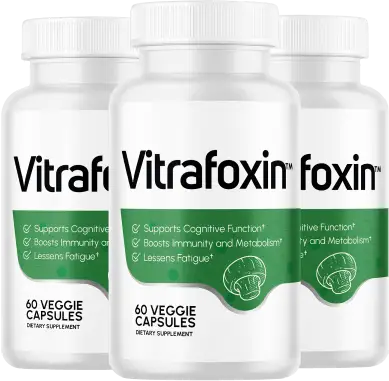
Ready to Experience Unwavering Focus and Mental Clarity?
VitraFoxine is a cutting-edge brain health supplement formulated with a synergistic blend of natural ingredients scientifically proven to combat brain fog, enhance memory, and boost overall cognitive function. Designed to complement your brain-healthy diet, VitraFoxine provides the concentrated support your brain needs to thrive.
- ✓ Eliminates Brain Fog: Restore mental sharpness and clarity.
- ✓ Boosts Memory & Focus: Enhance recall and sustain concentration.
- ✓ Increases Mental Energy: Combat fatigue with natural, sustained energy.
- ✓ Supports Neuroprotection: Protect brain cells from oxidative stress.
- ✓ 100% Natural & Safe: Formulated with premium, science-backed ingredients.




What Our Customers Say
"I used to struggle with a foggy mind every afternoon, making it hard to concentrate at work. Since incorporating these dietary changes and adding VitraFoxine, I feel sharper, more focused, and my energy lasts all day. It's truly transformative!"
"As a student, mental clarity is paramount. I started eating more brain-healthy foods and taking VitraFoxine, and the difference is incredible. My memory has improved, and I can study for longer periods without feeling drained. Highly recommend!"
"I was skeptical at first, but the combination of a better diet and VitraFoxine has genuinely helped clear the brain fog I've had for years. I feel more alert, my thoughts are clearer, and I have more mental energy to enjoy my retirement."
Frequently Asked Questions
What exactly is brain fog and how does diet relate to it?
+Brain fog isn't a medical condition itself, but rather a symptom characterized by difficulty concentrating, poor memory, mental fatigue, and a general lack of clarity. It can feel like your thoughts are cloudy or slow. Your diet plays a crucial role because the brain is highly dependent on a steady supply of nutrients to function optimally. Inflammatory foods, sugar spikes, and nutrient deficiencies can significantly contribute to brain fog, while nutrient-dense foods can help clear it.
Which specific nutrients are most important for clearing mental fog?
+Key nutrients for brain health include Omega-3 fatty acids (DHA/EPA), antioxidants (found in berries and leafy greens), B vitamins (for energy metabolism), magnesium (for nerve function), and certain phytochemicals found in herbs and mushrooms. These nutrients support neurotransmitter production, reduce oxidative stress, and improve blood flow to the brain, all of which are vital for mental clarity.
Are there any foods I should avoid if I'm experiencing brain fog?
+Yes, certain foods can exacerbate brain fog. These include highly processed foods, refined sugars, artificial sweeteners, trans fats (often found in fried and fast foods), and excessive alcohol. These items can cause inflammation, disrupt blood sugar levels, and negatively impact gut health, all of which have direct links to cognitive impairment and brain fog.
How quickly can I expect to see improvements in my mental clarity by changing my diet?
+The timeline for improvement varies greatly from person to person, depending on the severity of the brain fog, consistency of dietary changes, and individual metabolic responses. Some individuals report noticing subtle improvements in focus and energy within a few weeks, while significant and lasting changes typically emerge over several months of consistent adherence to a brain-healthy diet and lifestyle.
Can supplements like VitraFoxine help in addition to diet?
+While a nutrient-rich diet forms the foundation of brain health, targeted supplements can play a supportive role, especially if dietary intake is insufficient or specific needs are higher. VitraFoxine is formulated with a blend of natural ingredients known for their cognitive-enhancing properties, designed to complement a healthy lifestyle by providing concentrated support for mental clarity, focus, and energy. It's always best to consult with a healthcare professional before adding any new supplement to your regimen.
What other lifestyle changes can support a clear mind alongside diet?
+Beyond diet, several lifestyle factors significantly impact brain health. Regular physical activity boosts blood flow to the brain and reduces stress. Adequate, high-quality sleep is crucial for cognitive restoration and memory consolidation. Stress management techniques like meditation or yoga can reduce the impact of chronic stress on the brain. Additionally, engaging in mentally stimulating activities helps maintain cognitive function and neuroplasticity.
Related Articles