Are You Struggling with Persistent Brain Fog and Memory Lapses?
The frustration of a mind that feels hazy, slow, or unable to recall simple facts is a common yet deeply unsettling experience. For many, this isn't just a sign of aging or stress; it could be a warning signal from your body about a deeper, often overlooked issue: heavy metal toxicity.
Imagine waking up each day with a sharp, clear mind, able to focus intently and recall information effortlessly. For countless individuals, this ideal state is disrupted by a persistent feeling of mental fatigue and cognitive sluggishness, which can often be traced back to the silent accumulation of toxic heavy metals in their system. These insidious invaders can wreak havoc on your brain's delicate chemistry, leading to the very symptoms that disrupt your daily life.
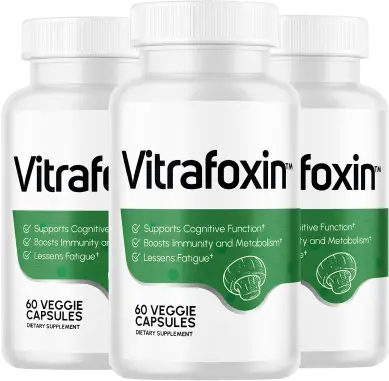
Understanding Brain Fog and Memory Problems: More Than Just "Getting Older"
Brain fog isn't a medical condition in itself, but rather a symptom — a constellation of cognitive impairments that can significantly diminish quality of life. It manifests as a lack of mental clarity, difficulty focusing, poor memory recall, and a general feeling of mental sluggishness or haziness. While often attributed to factors like stress, poor sleep, or dietary choices, an increasingly recognized underlying cause is the insidious accumulation of heavy metals within the body.
Many individuals dismiss these symptoms as an inevitable part of aging or a consequence of a busy modern lifestyle. However, it's crucial to understand that persistent brain fog and memory issues are not normal and often point to an imbalance or toxicity that needs addressing. Ignoring these signals can lead to a progressive decline in cognitive function, impacting everything from professional performance to personal relationships.
The human brain, a marvel of biological engineering, relies on a delicate balance of neurotransmitters, hormones, and cellular processes to function optimally. When this balance is disrupted by external toxins, its efficiency falters. This article will delve into how heavy metals, often unknowingly present in our environment, diet, and even personal care products, can silently sabotage this intricate system, leading to profound cognitive challenges.
💡 Key Takeaway
Brain fog and memory problems are critical signals from your body. They are not merely signs of aging but often indicators of underlying issues like heavy metal toxicity, which can severely impair cognitive function if left unaddressed.
What is Heavy Metal Toxicity and How Does It Occur?
Heavy metal toxicity, also known as heavy metal poisoning, refers to the accumulation of certain metallic elements in the body to a level that causes adverse health effects. While some metals like iron and zinc are essential in small amounts, others, even in tiny concentrations, can be highly toxic. The most concerning neurotoxic heavy metals include mercury, lead, cadmium, and arsenic.
Exposure to these metals is surprisingly common in modern life. Mercury can be found in certain types of fish (especially large predatory fish like tuna and swordfish), old dental amalgam fillings, and environmental pollution from industrial sources. Lead exposure often comes from old paint, contaminated water pipes, certain traditional remedies, and some imported goods. Cadmium is prevalent in cigarette smoke, industrial pollution, and some contaminated foods. Arsenic can be found in contaminated drinking water, certain pesticides, and even some rice products.
Unlike many other toxins, heavy metals are not easily metabolized or excreted by the body. Instead, they tend to accumulate in various tissues, including the brain, kidneys, and bones, over months, years, or even decades. This slow, insidious buildup can lead to chronic health problems that are often misdiagnosed due to the non-specific nature of the symptoms. Understanding these common sources is the first step in mitigating exposure and protecting your neurological health.
Common Sources of Heavy Metal Exposure
Heavy metals are ubiquitous in our environment, making exposure an almost unavoidable aspect of modern life. Recognizing the primary culprits can empower you to take proactive steps towards reducing your personal burden.
Contaminated Food & Water
Fish high in mercury, rice containing arsenic, vegetables grown in contaminated soil, and tap water from old pipes or industrial runoff are significant dietary sources. Even some dietary supplements can contain trace amounts of heavy metals if not carefully sourced.
Environmental Pollution
Industrial emissions, mining activities, vehicle exhaust, and waste incineration release heavy metals into the air, soil, and water. Breathing contaminated air or consuming produce grown in polluted areas contributes to accumulation.
Household & Occupational Exposure
Old paint (lead), certain batteries (cadmium), pesticides, some cosmetics, traditional medicines, and even older dental amalgam fillings (mercury) are common household sources. Workers in industries like welding, mining, and manufacturing face higher occupational risks.
Medications & Medical Devices
Some pharmaceutical products, vaccines (containing aluminum or mercury compounds in rare cases), and certain medical devices can contribute to heavy metal exposure. It's important to discuss any concerns with your healthcare provider.
The Neurotoxic Cascade: How Heavy Metals Attack Your Brain
Once absorbed into the bloodstream, heavy metals don't just sit idly; they actively interfere with countless biochemical processes, with the brain being particularly vulnerable due to its high metabolic rate and complex cellular structure. The damage they inflict is multi-faceted, leading directly to cognitive decline.
One of the primary mechanisms is the induction of oxidative stress. Heavy metals generate excessive free radicals, unstable molecules that damage cellular components like DNA, proteins, and lipids, especially within delicate brain cells. This "rusting" of the brain impairs neuronal function and communication. Furthermore, they trigger widespread neuroinflammation, a chronic immune response in the brain that can destroy healthy brain tissue and disrupt neurotransmitter balance. Inflamed brain tissue struggles to perform its vital functions, leading to reduced mental acuity.
Heavy metals also directly interfere with neurotransmitter synthesis and release. For example, lead can mimic calcium ions, disrupting calcium-dependent processes crucial for neuronal signaling. Mercury can bind to sulfhydryl groups on enzymes, deactivating them and impairing the production of essential neurotransmitters like dopamine, serotonin, and acetylcholine – all vital for mood, memory, and focus. This disruption leads to the feelings of fogginess, irritability, and difficulty concentrating that are hallmarks of heavy metal toxicity. You can explore more about how supplements can help support these processes on our Toxin Removal Brain Supplement page.
Moreover, these toxins can compromise the integrity of the blood-brain barrier (BBB). The BBB is a protective shield that prevents harmful substances from entering the brain. Heavy metals can weaken this barrier, allowing even more toxins and inflammatory agents to infiltrate the brain, exacerbating neurotoxicity. This creates a vicious cycle where the brain becomes increasingly susceptible to damage, further impairing memory and cognitive function. The overall effect is a brain that struggles to operate efficiently, leading to persistent brain fog and noticeable memory problems.

The Impact of Heavy Metals on Memory and Cognitive Function
The cognitive fallout from heavy metal toxicity is extensive, affecting nearly every aspect of mental performance. From the subtle inconvenience of forgetting names to more debilitating issues with executive function, the signs are clear.
Impaired Short-Term Memory
Heavy metals disrupt the hippocampus, the brain region crucial for forming new memories. This leads to difficulty recalling recent events, conversations, or tasks, making daily life challenging and frustrating. Simple acts like remembering where you put your keys become a struggle.
Reduced Focus and Concentration
By interfering with neurotransmitters like dopamine and acetylcholine, heavy metals make it incredibly difficult to sustain attention. Tasks requiring prolonged focus, such as reading or working, become exhausting, leading to frequent mental breaks and reduced productivity.
Slower Information Processing
The cumulative damage to neural pathways slows down the speed at which your brain can process information. This can manifest as delayed responses in conversations, difficulty understanding complex ideas, or feeling mentally "stuck" when trying to solve problems.
Executive Dysfunction
Heavy metals can impair executive functions, which include planning, organizing, problem-solving, and decision-making. This can lead to a feeling of being overwhelmed by simple tasks, difficulty managing schedules, and a reduced capacity for complex thought.
Mood Disturbances
The neurological impact of heavy metals extends beyond cognition, often affecting mood. Irritability, anxiety, and even symptoms of depression are commonly reported, as the toxins disrupt the delicate balance of mood-regulating neurotransmitters in the brain.
Diagnosing Heavy Metal Toxicity: Steps Towards Clarity
Identifying heavy metal toxicity isn't always straightforward, as its symptoms often overlap with other conditions. However, several diagnostic tests can help confirm or rule out heavy metal accumulation, paving the way for targeted intervention and relief from brain fog and memory issues.
The most common diagnostic methods include blood tests, which can measure recent exposure to certain metals, and urine tests, often performed after administering a chelating agent (a substance that binds to metals and helps excrete them) to assess total body burden. Hair mineral analysis can also provide insights into long-term exposure and mineral imbalances. Each test has its strengths and limitations, and a comprehensive evaluation by a knowledgeable healthcare professional is essential for accurate diagnosis.
If you suspect heavy metal toxicity, it's crucial to consult with a doctor who is experienced in environmental medicine or functional medicine. They can interpret your symptoms in conjunction with test results and develop a personalized plan. Early diagnosis and intervention are key to preventing further cognitive decline and supporting the brain's natural ability to recover. Remember, self-diagnosis and self-treatment can be dangerous, so always seek professional medical advice.
💡 Key Takeaway
Accurate diagnosis of heavy metal toxicity typically involves specialized blood, urine, or hair tests, interpreted by a healthcare professional experienced in environmental medicine. This step is crucial for understanding your body's toxic burden and guiding effective treatment.
Strategies for Detoxification and Cognitive Restoration
Addressing heavy metal toxicity and the associated brain fog requires a multi-pronged approach that focuses on reducing exposure, enhancing the body's natural detoxification pathways, and supporting neurological repair. This journey involves both conventional medical treatments and complementary natural strategies.
Conventional Approaches:
For severe cases of heavy metal poisoning, chelation therapy is often employed. This medical procedure involves administering chelating agents, which are compounds that bind to heavy metals in the body and facilitate their excretion through urine. Chelation must be performed under strict medical supervision due to potential side effects and the risk of depleting essential minerals. It is a powerful intervention reserved for significant toxicity.
Natural and Supportive Strategies:
Beyond medical interventions, a holistic approach can significantly aid in detoxification and cognitive recovery. These strategies focus on empowering the body's innate ability to cleanse itself and rebuild neurological health.
- Dietary Interventions: A diet rich in antioxidants, fiber, and specific nutrients is paramount. Foods like cilantro, chlorella, spirulina, garlic, onions, leafy greens, and cruciferous vegetables (broccoli, kale) are known for their detoxifying properties. Adequate protein intake supports glutathione production, the body's master antioxidant.
- Hydration: Drinking plenty of filtered water helps the kidneys flush out toxins.
- Sweating: Regular exercise and sauna therapy can aid in excreting heavy metals through sweat.
- Stress Reduction: Chronic stress impairs detoxification pathways. Practices like meditation, yoga, and deep breathing can support overall health.
- Targeted Supplementation: Certain supplements can enhance detoxification and provide neuroprotection. These include antioxidants (Vitamin C, E, Alpha-Lipoic Acid), minerals (selenium, zinc), and specific botanicals.
It's important to remember that detoxification is a gradual process. Supporting your body consistently through these strategies can lead to significant improvements in brain fog, memory, and overall well-being. Always consult with a healthcare provider before starting any new detoxification protocol, especially if you have existing health conditions.
Natural Allies: Key Ingredients for Detoxification and Brain Support
Nature offers a powerful array of compounds that can assist the body in its battle against heavy metal toxicity and enhance cognitive function. Many of these ingredients are carefully selected for their synergistic effects in formulas like VitraFoxine, providing a comprehensive approach to brain health and detoxification. To learn more about the specific compounds and their benefits, you can visit our page on VitraFoxine Ingredients: Medicinal Mushrooms and Nootropics.

Cordyceps Sinensis
Role: An adaptogenic mushroom known for boosting energy, improving oxygen utilization, and offering potent antioxidant properties. It helps protect brain cells from oxidative damage and supports overall vitality, which is crucial during detoxification.
Typical Dose: 500-1500mg daily
Ganoderma Lucidum (Reishi)
Role: Often called the "Mushroom of Immortality," Reishi is a powerful adaptogen and immune modulator. It possesses anti-inflammatory and neuroprotective qualities, helping to calm brain inflammation and support neuronal health against toxic insults.
Typical Dose: 500-1000mg daily
Lentinula Edodes (Shiitake)
Role: Valued for its immune-boosting and antioxidant properties. Shiitake contains compounds that support liver function, a key organ in detoxification, and contribute to overall cellular resilience, protecting the brain from toxic stress.
Typical Dose: 250-750mg daily
Green Tea (Camellia Sinensis)
Role: Rich in powerful antioxidants, particularly EGCG (Epigallocatechin gallate), Green Tea is renowned for its neuroprotective effects. It helps reduce oxidative stress, supports healthy inflammation responses, and can enhance cognitive function, focus, and memory.
Typical Dose: 250-500mg extract daily
Mentha Spicata (Spearmint)
Role: Beyond its refreshing taste, spearmint contains rosmarinic acid and other potent antioxidants. Studies suggest it can improve working memory and focus, reduce oxidative stress in the brain, and support overall cognitive vitality.
Typical Dose: 300-900mg extract daily
Aloe Vera
Role: Known for its soothing and detoxifying properties, Aloe Vera supports gut health, which is intrinsically linked to brain health. It helps reduce inflammation and can aid in the elimination of toxins, creating a healthier internal environment for cognitive function.
Typical Dose: 100-200mg extract dailyVitraFoxine: A Natural Approach to Combat Brain Fog and Support Detoxification
While reducing exposure and making dietary changes are fundamental, targeted supplementation can provide crucial support for your brain's detoxification and cognitive recovery. VitraFoxine is an all-natural supplement designed with this precise goal in mind, offering a blend of ingredients known for their neuroprotective, antioxidant, and detox-supportive properties.
VitraFoxine's unique formula combines powerful adaptogenic mushrooms like Cordyceps, Reishi, and Shiitake with potent botanicals such as Green Tea and Spearmint, and the cleansing properties of Aloe Vera. These ingredients work synergistically to address the multifaceted challenges posed by heavy metal toxicity and cognitive decline.
The adaptogens help the body resist the damaging effects of stress and toxins, while the antioxidants combat the oxidative stress caused by heavy metals. Furthermore, certain compounds within these ingredients support the body's natural detoxification organs, like the liver, and promote healthy inflammatory responses in the brain. By nourishing your brain and supporting its natural cleansing mechanisms, VitraFoxine aims to help you regain the mental clarity, focus, and memory you deserve. It's an excellent way to support your journey back to optimal cognitive health, complementing a healthy lifestyle. For more information on how VitraFoxine can support your health, please visit our official website.
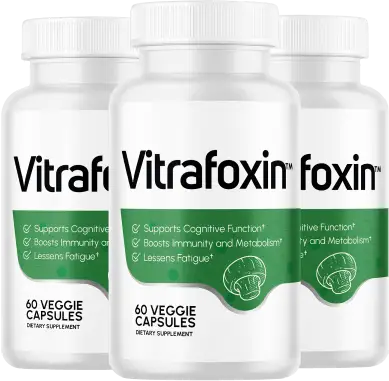
Reclaim Your Mental Edge: Experience the VitraFoxine Difference!
Don't let brain fog and memory problems dictate your life. VitraFoxine offers a potent, all-natural solution designed to combat the effects of environmental toxins and support peak cognitive performance. Our carefully curated blend of medicinal mushrooms and neuro-enhancing botanicals is your secret weapon for a sharper, clearer mind.
- ✓ Supports natural detoxification pathways
- ✓ Boosts mental clarity and focus
- ✓ Enhances memory recall and retention
- ✓ Protects brain cells from oxidative stress
- ✓ Made with 100% natural, high-quality ingredients




Hear From Those Who've Reclaimed Their Clarity
"For years, I've battled a persistent brain fog that made my work and daily tasks incredibly difficult. After trying VitraFoxine for just a few weeks, I felt a noticeable lift in my mental clarity. My memory is sharper, and I can focus for longer periods. It's been a game-changer!"
"I was skeptical at first, but the science behind heavy metal toxicity and brain health made sense. VitraFoxine was recommended as a natural support. I'm thrilled with the results! My memory recall has improved significantly, and I feel more energetic and less mentally fatigued throughout the day."
"As a busy professional, mental sharpness is non-negotiable. When I started experiencing brain fog and couldn't concentrate, I knew I needed a solution. VitraFoxine helped clear the haze. I'm more productive, my thoughts are clearer, and I feel like myself again. Highly recommend for anyone struggling with cognitive issues."
Frequently Asked Questions
What are heavy metals and how do they enter our bodies?
+Heavy metals are naturally occurring metallic elements that have a high atomic weight and a density at least 5 times greater than water. Common examples include lead, mercury, cadmium, and arsenic. They can enter our bodies through various pathways: contaminated food and water, air pollution (industrial emissions, vehicle exhaust), certain medications, dental amalgam fillings, old paint, some cosmetics, and even industrial exposure in certain occupations. Once inside the body, they can accumulate over time, leading to toxicity.
How do heavy metals specifically impact brain function?
+Heavy metals are neurotoxic, meaning they can directly damage the brain and nervous system. They interfere with neurotransmitter function, disrupt enzyme systems vital for brain health, increase oxidative stress (which damages brain cells), and promote inflammation. They can also cross the blood-brain barrier, leading to direct neuronal damage and impaired cellular energy production. This cumulative damage manifests as symptoms like brain fog, memory problems, difficulty concentrating, and mood disturbances.
What are the common symptoms of heavy metal toxicity related to brain fog and memory?
+Beyond generalized brain fog and memory issues, symptoms can include difficulty finding words, reduced mental clarity, impaired decision-making, slower processing speed, persistent fatigue, irritability, anxiety, and even depression. Some individuals might experience headaches, tremors, or numbness. These cognitive symptoms often worsen over time as heavy metal accumulation increases, significantly impacting daily life and productivity.
Can diet and lifestyle changes help with heavy metal detoxification?
+Absolutely. Diet plays a crucial role. Consuming a whole-foods diet rich in antioxidants, fiber, and specific nutrients can support the body's natural detoxification pathways. Foods like cilantro, chlorella, spirulina, leafy greens, berries, and cruciferous vegetables are particularly beneficial. Adequate hydration, regular exercise, sauna therapy, and stress reduction techniques also aid in the elimination of toxins and support overall neurological health. Reducing exposure to heavy metal sources is equally important.
How does VitraFoxine support cognitive function and detoxification?
+VitraFoxine is formulated with a blend of natural ingredients, including adaptogenic mushrooms and potent antioxidants, specifically chosen for their potential to support cognitive health and aid the body's natural detoxification processes. Ingredients like Cordyceps, Reishi, and Green Tea are known for their neuroprotective and antioxidant properties, helping to combat oxidative stress and inflammation that heavy metals can induce. Spearmint and Aloe Vera further contribute to overall cellular health and detoxification, providing a holistic approach to improving mental clarity and memory.
Is VitraFoxine safe, and how long does it take to see results?
+VitraFoxine is made with 100% natural ingredients, manufactured in an FDA-registered, GMP-certified facility in the USA, ensuring high quality and safety standards. While individual results vary based on the severity of toxicity, lifestyle, and overall health, many users report noticeable improvements in mental clarity and energy within a few weeks of consistent use. For optimal and sustained benefits, it is recommended to take VitraFoxine regularly as part of a healthy lifestyle. Always consult your healthcare provider before starting any new supplement.
Related Articles