Feeling Mentally Hazy? Discover the Hidden Inflammatory Roots of Your Brain Fog.
Do you often find yourself struggling to concentrate, forgetting simple things, or feeling an overwhelming sense of mental fatigue that just won't lift? You're not alone. Millions experience these frustrating symptoms, collectively known as brain fog, which can severely impact daily productivity, decision-making, and overall quality of life. While many factors can contribute to this pervasive cognitive struggle, emerging research points to a significant, often overlooked culprit: inflammation.
Specifically, chronic inflammation within the brain, or neuroinflammation, is increasingly recognized as a key driver behind the debilitating symptoms of brain fog. This article will delve deep into the intricate connection between your body's immune response and your mental clarity, exploring how an overactive inflammatory system can hijack your cognitive functions and leave you feeling perpetually clouded.
Understanding Brain Fog: More Than Just Being Tired
Brain fog isn't a medical condition itself but rather a constellation of symptoms that reflect an underlying issue affecting cognitive function. It's often described as a feeling of mental haziness, a lack of mental clarity, and difficulty focusing or remembering things.
The experience of brain fog can be incredibly varied, but common threads include a persistent feeling of being "spaced out," struggling to articulate thoughts, and a general slowness in mental processing. It's not simply about feeling tired; it's a profound sense of mental sluggishness that can impede your ability to perform tasks requiring sustained attention or complex problem-solving. Imagine trying to navigate a dense fog with a dim flashlight – that's what daily life can feel like for someone experiencing chronic brain fog. It impacts everything from professional performance to personal relationships, making even simple conversations feel like monumental efforts. While occasional brain fog can be attributed to lack of sleep or temporary stress, persistent brain fog signals a deeper, more systemic imbalance that warrants closer investigation, often pointing directly to inflammatory processes within the body and brain.
The Basics of Inflammation: A Double-Edged Sword
Inflammation is your body's natural defense mechanism, a vital process that helps protect you from infection and injury. When you cut your finger, for example, your immune system dispatches inflammatory cells to the site, causing redness, swelling, and pain. This is acute inflammation – a short-term, beneficial response that helps heal the wound.
However, problems arise when inflammation becomes chronic. Unlike its acute counterpart, chronic inflammation is a prolonged, low-grade inflammatory response that persists for weeks, months, or even years. This type of inflammation doesn't necessarily manifest with obvious symptoms like pain or swelling, making it a silent threat. It can be triggered by a variety of factors, including persistent infections, exposure to toxins, unhealthy dietary habits, chronic stress, and autoimmune conditions. When chronic inflammation takes hold, it stops being a protective mechanism and starts causing damage to healthy tissues and organs throughout the body, including the most vital organ of all: the brain. This persistent state of cellular alert can subtly yet significantly undermine various bodily functions, laying the groundwork for numerous chronic diseases and, as we'll explore, profound cognitive impairment.
Neuroinflammation: The Brain's Silent Battleground
When chronic inflammation extends its reach to the central nervous system, we call it neuroinflammation. This isn't just inflammation in the brain; it's a specific immune response involving the brain's own resident immune cells, primarily microglia and astrocytes.
Under normal circumstances, these glial cells act as the brain's vigilant custodians, clearing debris, maintaining neuronal health, and responding to acute threats. However, in the context of chronic systemic inflammation or direct brain insults, these cells can become overactive and dysfunctional. Instead of protecting, they begin to release a cascade of pro-inflammatory molecules known as cytokines, chemokines, and reactive oxygen species. These inflammatory mediators create a hostile microenvironment for neurons, disrupting their delicate balance and communication. The consequences are far-reaching: synaptic dysfunction, impaired neurogenesis (the birth of new brain cells), damage to myelin sheaths that insulate nerve fibers, and even neuronal cell death. This constant inflammatory assault makes it incredibly difficult for your brain to perform its complex tasks, leading directly to the symptoms we identify as brain fog. It’s like having a constant low-level fire in your brain, subtly but persistently eroding its efficiency and clarity. Understanding this cellular-level battle is crucial for developing effective strategies to combat brain fog and restore cognitive vitality.
The blood-brain barrier (BBB), a highly selective semipermeable border that separates the circulating blood from the brain and extracellular fluid in the central nervous system, is usually a formidable protector. However, chronic inflammation can compromise the integrity of the BBB, making it "leaky." This allows inflammatory molecules and even pathogens from the bloodstream to enter the brain, further fueling neuroinflammation. Once inside, these immune invaders can directly activate microglia and astrocytes, initiating a vicious cycle of inflammation and cellular damage. This constant barrage of inflammatory signals interferes with neurotransmitter systems, particularly those involving dopamine, serotonin, and acetylcholine, all critical for mood, motivation, attention, and memory. The delicate balance required for optimal cognitive function is thrown into disarray, making focused thought and clear memory increasingly challenging. For more information on the various factors that can contribute to cognitive decline, you might find our article on the common causes of brain fog insightful.
💡 Key Takeaway
Brain fog is often a direct manifestation of chronic neuroinflammation, where the brain's immune cells become overactive, releasing inflammatory compounds that disrupt neuronal function, impair communication, and damage brain cells, leading to symptoms like poor concentration, memory issues, and mental fatigue.
Common Triggers of Neuroinflammation and Brain Fog
Understanding the sources of neuroinflammation is the first step toward mitigating its effects. Many everyday factors can contribute to this internal brain fire:
Gut-Brain Axis Dysfunction (Leaky Gut)
Your gut health is intimately connected to your brain health. A compromised gut barrier, often referred to as "leaky gut," allows toxins, undigested food particles, and harmful bacteria to enter the bloodstream. This triggers a systemic inflammatory response, which can then extend to the brain, contributing to neuroinflammation. An imbalance in gut microbiota (dysbiosis) can also produce inflammatory compounds that signal to the brain, directly affecting mood and cognitive function. Maintaining a healthy gut microbiome is paramount for a clear mind.
Chronic Stress and Psychological Factors
Persistent psychological stress leads to sustained activation of the hypothalamic-pituitary-adrenal (HPA) axis, resulting in chronically elevated cortisol levels. While cortisol initially suppresses inflammation, chronic exposure can lead to cortisol resistance, paradoxically increasing inflammatory markers. Stress also alters gut microbiota, promotes oxidative stress, and directly impairs brain regions responsible for executive function and memory, creating a perfect storm for neuroinflammation and brain fog. Effectively managing stress is thus a critical component of brain health.
Poor Diet and Nutritional Deficiencies
The modern Western diet, rich in refined sugars, unhealthy trans fats, and processed foods, is a significant driver of systemic inflammation. These foods promote oxidative stress and disrupt gut health, both of which are direct pathways to neuroinflammation. Conversely, deficiencies in key nutrients like omega-3 fatty acids, B vitamins, and antioxidants can impair the brain's ability to combat inflammation and maintain optimal function. A nutrient-dense, anti-inflammatory diet is foundational for preventing and reversing brain fog.
Environmental Toxins and Heavy Metals
Exposure to environmental toxins, such as pesticides, heavy metals (e.g., lead, mercury), and air pollutants, can trigger inflammatory responses throughout the body, including the brain. These neurotoxins can cross the blood-brain barrier, directly activating glial cells and inducing oxidative stress, leading to sustained neuroinflammation. Long-term exposure, even to low levels, can accumulate and significantly impair cognitive function, manifesting as persistent brain fog and other neurological symptoms. Minimizing exposure is crucial for protecting brain health.
Chronic Infections and Autoimmune Conditions
Persistent low-grade infections (viral, bacterial, fungal) can keep the immune system in a perpetual state of alert, leading to chronic systemic inflammation that often spills over into the brain. Similarly, autoimmune diseases, where the body's immune system mistakenly attacks its own tissues, can directly target the central nervous system or create widespread inflammation that impacts brain function. Conditions like Lyme disease, Epstein-Barr virus, and even certain dental infections have been linked to neuroinflammation and severe brain fog. Addressing these underlying infections is critical for cognitive recovery.
Sleep Deprivation and Circadian Rhythm Disruption
Sleep is a vital period for brain detoxification and repair. During deep sleep, the glymphatic system actively clears metabolic waste products and inflammatory molecules from the brain. Chronic sleep deprivation or disrupted circadian rhythms prevent this crucial cleansing process, allowing inflammatory compounds to accumulate. This leads to increased neuroinflammation, impaired synaptic plasticity, and reduced cognitive function, directly contributing to brain fog. Prioritizing consistent, high-quality sleep is fundamental for a clear and healthy mind.
The Vicious Cycle: Inflammation, Oxidative Stress, and Brain Fog
Neuroinflammation rarely acts alone. It often forms a destructive partnership with oxidative stress, creating a vicious cycle that further exacerbates brain fog and accelerates cognitive decline. Oxidative stress occurs when there's an imbalance between the production of harmful free radicals and the body's ability to neutralize them with antioxidants.
Inflammation itself generates free radicals, which are unstable molecules that can damage cellular structures, including DNA, proteins, and lipids in brain cells. This damage, in turn, can trigger further inflammatory responses, creating a self-perpetuating loop. In the brain, this cycle can harm mitochondria, the "powerhouses" of cells, leading to reduced energy production and increased cellular dysfunction. Neurons, being highly metabolically active, are particularly vulnerable to this combined assault. The result is impaired neuronal communication, reduced synaptic plasticity (the brain's ability to form new connections), and ultimately, the pervasive symptoms of brain fog. Breaking this cycle requires a multi-pronged approach that targets both inflammation and oxidative stress simultaneously, aiming to restore cellular balance and protect delicate brain tissues. Understanding this interplay is vital for anyone seeking to overcome chronic mental fatigue and reclaim their cognitive sharpness.
Strategies to Reduce Neuroinflammation and Reclaim Cognitive Clarity
Fortunately, there are many proactive steps you can take to calm neuroinflammation and significantly improve brain fog. A holistic approach that addresses diet, lifestyle, and targeted supplementation often yields the best results.
Embrace an Anti-Inflammatory Diet
Food is medicine, and a diet rich in anti-inflammatory compounds can make a profound difference. Focus on whole, unprocessed foods: plenty of colorful fruits and vegetables (especially berries, leafy greens), omega-3 rich fatty fish (salmon, mackerel), nuts and seeds, and healthy fats like olive oil and avocados. Limit refined sugars, processed snacks, unhealthy fats, and excessive red meat, which are known pro-inflammatory agents. Prioritizing gut health through fermented foods and fiber is also key to reducing systemic inflammation that impacts the brain.
Prioritize Regular Physical Activity
Exercise isn't just good for your body; it's fantastic for your brain. Regular physical activity has been shown to reduce systemic inflammation, improve blood flow to the brain, and enhance the production of neurotrophic factors that support brain cell growth and survival. Even moderate exercise, like a brisk walk for 30 minutes most days of the week, can have significant anti-inflammatory and cognitive benefits. It helps to clear inflammatory markers and improve overall cellular health, directly combating brain fog.
Optimize Sleep Quality and Quantity
As mentioned, sleep is crucial for brain detoxification. Aim for 7-9 hours of high-quality, uninterrupted sleep each night. Establish a consistent sleep schedule, create a relaxing bedtime routine, and optimize your sleep environment (dark, quiet, cool). Avoiding screens before bed and limiting caffeine and alcohol can also significantly improve sleep quality. Better sleep directly translates to reduced neuroinflammation and improved cognitive function, clearing away the mental fog.
Manage Stress Effectively
Chronic stress is a powerful inflammatory trigger. Incorporate stress-reduction techniques into your daily routine: mindfulness meditation, deep breathing exercises, yoga, spending time in nature, or engaging in hobbies you enjoy. Finding healthy outlets for stress can lower cortisol levels, reduce systemic inflammation, and protect your brain from its damaging effects. Consistency in these practices is key to building resilience against stress-induced brain fog.
Targeted Support: Natural Ingredients to Combat Neuroinflammation
Beyond diet and lifestyle, certain natural ingredients have demonstrated significant potential in calming neuroinflammation and supporting cognitive function. These botanicals and compounds work through various mechanisms, from potent antioxidant activity to direct modulation of immune responses in the brain. Many people find that incorporating high-quality, natural supplements can provide the extra support needed to break free from the cycle of inflammation-induced brain fog. For a more detailed look at what goes into effective cognitive support, you might want to read our article on VitraFoxine's ingredients breakdown.

Cordyceps Sinensis
Role: Known for its adaptogenic properties, Cordyceps helps the body adapt to stress and supports immune function. Research suggests it possesses potent anti-inflammatory and antioxidant effects, particularly within neurological pathways. It may help protect brain cells from inflammatory damage and improve energy metabolism, crucial for alleviating mental fatigue and enhancing focus.
500-1000 mg daily
Ganoderma Lucidum (Reishi)
Role: Often called the "Mushroom of Immortality," Reishi is revered for its immunomodulating and neuroprotective qualities. It contains triterpenes and polysaccharides that can help regulate immune responses, reducing chronic inflammation in the brain. Reishi also supports nerve growth factors and can help reduce oxidative stress, contributing to improved cognitive resilience and clarity.
500-1500 mg daily
Green Tea (Camellia Sinensis)
Role: Rich in powerful antioxidants, particularly catechins like Epigallocatechin Gallate (EGCG), Green Tea is a well-established anti-inflammatory agent. EGCG can cross the blood-brain barrier, directly reducing neuroinflammation, protecting neurons from oxidative damage, and supporting the production of neurotransmitters like dopamine. It also contains L-Theanine, which promotes a calm, focused state, directly addressing mental fog.
200-500 mg EGCG daily
Lentinula Edodes (Shiitake)
Role: Shiitake mushrooms are not just culinary delights; they are packed with immune-boosting and anti-inflammatory compounds. They contain eritadenine and beta-glucans which help modulate immune responses and reduce systemic inflammation. By supporting overall immune balance, Shiitake indirectly helps to prevent and alleviate neuroinflammation, contributing to improved cognitive function and mental vitality. They also provide essential B vitamins for nerve health.
250-750 mg daily
Mentha Spicata (Spearmint)
Role: More than just a refreshing herb, Spearmint contains rosmarinic acid and other phenolic compounds with significant antioxidant and anti-inflammatory properties. Studies suggest that spearmint extract can help reduce oxidative stress and inflammation in the brain, supporting memory and cognitive performance. It may also help to improve attention and focus, making it a valuable addition for combating brain fog symptoms naturally.
300-900 mg dailyIncorporating these powerful natural compounds, either through diet or high-quality supplementation, can provide significant support in the fight against neuroinflammation and the accompanying brain fog. When choosing supplements, it is crucial to look for products that use standardized extracts and are third-party tested for purity and potency to ensure you are getting the most effective and safe ingredients.
Reclaim Your Mental Edge: Discover VitraFoxine Today
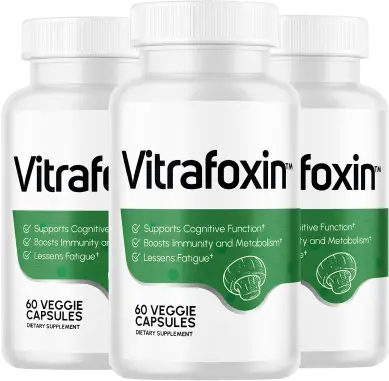
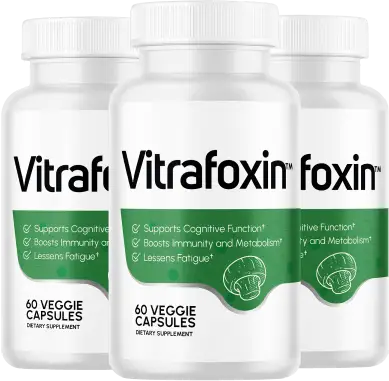
If you're tired of living with the frustrating haze of brain fog and mental fatigue, it's time to explore a natural solution designed to address the root causes. VitraFoxine is a cutting-edge supplement meticulously formulated with a synergistic blend of potent natural ingredients, including those discussed, specifically chosen for their scientifically-backed ability to combat neuroinflammation, reduce oxidative stress, and optimize cognitive function. VitraFoxine offers a comprehensive approach to help you regain your mental sharpness and vitality.
- ✓ Supports healthy anti-inflammatory responses in the brain
- ✓ Enhances focus, memory, and mental clarity
- ✓ Boosts energy levels and combats mental fatigue
- ✓ Formulated with natural, clinically studied ingredients
- ✓ Made in the USA in a GMP-certified facility




Beyond Supplements: A Holistic Approach to Sustained Clarity
While targeted supplementation with products like VitraFoxine can provide significant support, it's crucial to remember that optimal brain health is achieved through a holistic and integrated approach. Supplements are designed to complement, not replace, fundamental healthy habits. Combining a powerful formula like VitraFoxine with consistent lifestyle choices creates the most robust defense against neuroinflammation and ensures lasting cognitive benefits.
Think of it as building a strong foundation for your brain. An anti-inflammatory diet provides the necessary building blocks and protective compounds. Regular exercise ensures optimal blood flow and cellular cleansing. Quality sleep allows for vital repair and detoxification. Effective stress management prevents the inflammatory cascade from taking hold. When these pillars are in place, the targeted support from VitraFoxine can work more efficiently, helping to calm inflammation, protect neurons, and enhance neurotransmitter function. This synergistic strategy not only addresses current brain fog but also builds resilience against future cognitive challenges, promoting long-term brain vitality and mental sharpness. For more ideas on enhancing your overall well-being, explore our guide on how to improve vitality naturally.
What Our Customers Are Saying
"I used to struggle with such intense brain fog, especially in the afternoons. After a few weeks of VitraFoxine, I noticed a significant difference. My thoughts are clearer, and I can focus much better at work. It's like a cloud has lifted!"
"I was skeptical at first, but VitraFoxine has truly helped me with my memory and mental energy. I feel more alert and less fatigued throughout the day. I've tried other supplements, but this one actually works for me."
"As someone who deals with chronic inflammation, brain fog was a constant battle. VitraFoxine has been a game-changer. My concentration has improved, and I feel a noticeable reduction in that heavy, cloudy feeling. Highly recommend!"
Frequently Asked Questions
What exactly is neuroinflammation and how does it relate to brain fog?
+Neuroinflammation is the inflammatory response within the brain or spinal cord, involving the activation of immune cells like microglia and astrocytes. When chronic or dysregulated, this inflammation can disrupt neuronal communication, impair neurotransmitter function, and damage brain cells, leading to symptoms such as memory problems, difficulty concentrating, and overall mental fatigue—commonly known as brain fog. It's the brain's immune system working overtime, causing collateral damage to cognitive processes.
Can my diet significantly impact neuroinflammation and brain fog?
+Absolutely. Diet plays a crucial role in both promoting and reducing inflammation throughout the body, including the brain. A diet rich in processed foods, refined sugars, and unhealthy fats can fuel systemic inflammation, which can then cross the blood-brain barrier and contribute to neuroinflammation. Conversely, an anti-inflammatory diet, abundant in fruits, vegetables, whole grains, lean proteins, and healthy fats (like omega-3s), can help calm inflammatory responses and support optimal brain health, thereby alleviating brain fog.
How does chronic stress contribute to brain fog via inflammation?
+Chronic stress is a major contributor to systemic inflammation and, consequently, neuroinflammation. When under prolonged stress, your body releases hormones like cortisol. While essential in acute situations, chronically elevated cortisol can disrupt the immune system, leading to a pro-inflammatory state. This sustained inflammation in the brain can impair synaptic plasticity, reduce neurogenesis, and alter neurotransmitter balance, manifesting as persistent brain fog, memory issues, and difficulty focusing. Managing stress is key to calming this inflammatory cascade.
How long does it typically take to see improvements in brain fog by addressing inflammation?
+The timeline for seeing improvements in brain fog can vary widely depending on the individual, the severity and duration of the underlying inflammation, and the consistency of the interventions. Some individuals may notice subtle changes within a few weeks of adopting significant dietary and lifestyle changes or starting targeted supplementation. For others, particularly those with long-standing or severe chronic inflammation, it might take several months to achieve noticeable and sustained relief. Consistency and a holistic approach are vital for long-term brain health.
Is VitraFoxine safe for long-term daily use as a cognitive support supplement?
+VitraFoxine is formulated with natural ingredients known for their historical use and studied benefits, aiming for optimal safety and efficacy. When taken as directed, it is generally considered safe for long-term daily use for most healthy adults. However, as with any supplement, it's always recommended to consult with your healthcare provider before starting any new regimen, especially if you have pre-existing medical conditions, are pregnant or nursing, or are taking other medications. This ensures it aligns with your individual health needs.
What makes VitraFoxine a unique approach to addressing inflammation-related brain fog?
+VitraFoxine stands out due to its synergistic blend of clinically studied, natural ingredients specifically chosen for their potent anti-inflammatory, antioxidant, and neuroprotective properties. Unlike many supplements that focus on a single aspect, VitraFoxine targets multiple pathways involved in neuroinflammation and cognitive decline. Its comprehensive formula aims to not only calm inflammation but also support neurotransmitter balance, enhance cerebral circulation, and protect neurons from oxidative stress, offering a multi-faceted approach to restoring mental clarity and focus.
Related Articles