Struggling with brain fog and mental fatigue?
That frustrating feeling of a cloudy mind, difficulty concentrating, and general mental sluggishness is increasingly common in our fast-paced world. It's not just a sign of being tired; it can significantly impact productivity, mood, and overall quality of life, making even simple tasks feel overwhelming.
While brain fog isn't a medical condition itself, it's often a symptom of underlying issues, from chronic stress and poor sleep to nutritional deficiencies and even inflammation. The good news is that a growing body of scientific research points to powerful natural remedies that can help clear the mental haze and restore sharp cognitive function, offering a path to sustained mental clarity without reliance on pharmaceuticals.
Understanding Brain Fog and Mental Fatigue
Brain fog is a pervasive yet often misunderstood phenomenon, characterized by a range of cognitive symptoms that collectively impair mental sharpness. It's more than just feeling tired; it's a persistent state of reduced mental acuity that can make daily life feel like an uphill battle.
At its core, brain fog manifests as difficulty with concentration, issues with memory recall, a general feeling of mental sluggishness, and reduced ability to process information quickly. Individuals often describe it as a "cloud" over their mind, making it hard to think clearly, articulate thoughts, or maintain focus on tasks. This can lead to decreased productivity at work, frustration in personal interactions, and a significant drop in overall quality of life. The impact extends beyond cognitive function, often influencing mood and energy levels, contributing to feelings of irritability or low motivation.
The causes of brain fog are multifaceted and can stem from various physiological and lifestyle factors. Chronic stress, for instance, can elevate cortisol levels, which negatively impact hippocampal function – a brain region critical for memory and learning. Poor sleep quality or insufficient sleep disrupts the brain's natural restorative processes, leading to an accumulation of metabolic waste products and impaired cognitive performance. Dietary choices also play a crucial role; diets high in processed foods, sugar, and unhealthy fats can promote inflammation throughout the body, including the brain, which is a known contributor to cognitive decline and brain fog.
Furthermore, nutritional deficiencies, such as inadequate intake of B vitamins, Omega-3 fatty acids, and magnesium, can impair neurotransmitter synthesis and energy production vital for optimal brain function. Certain medical conditions, hormonal imbalances, and even some medications can also induce or exacerbate brain fog symptoms. Recognizing that brain fog is often a symptom of underlying issues, rather than a standalone diagnosis, is the first step toward finding effective solutions. This holistic understanding paves the way for exploring natural remedies that address these root causes, aiming to restore not just clarity, but overall brain health.
💡 Key Takeaway
Brain fog is a collection of cognitive symptoms including poor focus and memory, often rooted in lifestyle factors like stress, poor sleep, and nutritional deficiencies. Addressing these underlying causes is key to achieving mental clarity.
The Scientific Pursuit of Clarity: Why Natural Remedies?
In an era where quick fixes often dominate, there's a growing appreciation for natural remedies, especially when it comes to the intricate workings of the brain. The shift towards holistic and natural approaches for cognitive enhancement isn't merely a trend; it's increasingly supported by scientific research.
Many individuals are drawn to natural remedies for brain fog due to concerns about the potential side effects associated with pharmaceutical interventions. Natural solutions often work by supporting the body's inherent mechanisms for healing and optimal function, rather than forcing a specific chemical pathway. This can lead to more sustainable improvements in cognitive health and overall well-being. The scientific community has been actively investigating a wide array of botanicals, nutrients, and lifestyle practices, uncovering compelling evidence for their neuroprotective and cognitive-enhancing properties.
For example, research into traditional medicine systems, such as Ayurveda and Traditional Chinese Medicine, has highlighted herbs that have been used for centuries to improve memory and mental sharpness. Modern science is now isolating the active compounds in these botanicals and conducting randomized controlled trials to validate their efficacy and safety. This rigorous approach is helping to distinguish between anecdotal claims and truly evidence-based natural solutions. The appeal of natural remedies also lies in their potential to address multiple facets of brain fog simultaneously. Rather than targeting just one symptom, many natural compounds offer broad-spectrum benefits, such as reducing inflammation, enhancing neurotransmitter activity, improving cerebral blood flow, and providing antioxidant protection. This comprehensive action aligns well with the complex, multi-factorial nature of brain fog.
Moreover, the concept of "nutritional psychiatry" and the gut-brain axis has gained significant traction, emphasizing the profound impact of diet and gut health on cognitive function and mood. Natural remedies often encompass dietary changes and probiotic support, further highlighting their holistic potential. As we delve deeper into the specific natural interventions, it becomes clear that many offer a synergistic effect, where combining several elements can yield greater benefits than any single one alone. This integrated approach is at the heart of effective natural brain fog management, paving the way for sustained mental clarity and vitality.

Pillars of Cognitive Health: Essential Nutrients
Our brains are incredibly complex organs, requiring a constant supply of specific nutrients to function at their best. Deficiencies in these key nutritional building blocks are a common, yet often overlooked, cause of brain fog and mental fatigue.
One of the most critical classes of nutrients for brain health are Omega-3 Fatty Acids, particularly DHA (docosahexaenoic acid) and EPA (eicosapentaenoic acid). DHA is a primary structural component of the brain's cerebral cortex, vital for memory, language, and attention. EPA, on the other hand, is known for its anti-inflammatory properties, which can help reduce neuroinflammation – a significant contributor to brain fog. Rich sources include fatty fish like salmon, mackerel, and sardines, or algal oil for vegetarians. Scientific studies consistently show that adequate omega-3 intake supports neuronal membrane fluidity, neurotransmitter function, and overall cognitive performance, making it a cornerstone of any brain-boosting regimen.
The B-Vitamin Complex plays an indispensable role in brain energy metabolism and neurotransmitter synthesis. Specifically, B6, B9 (folate), and B12 are crucial. Vitamin B6 is involved in the production of neurotransmitters like serotonin and dopamine, essential for mood and focus. Folate and B12 are vital for methylation processes, which are fundamental for DNA synthesis and repair, detoxification, and the production of brain chemicals. A deficiency in B12, common in older adults and vegetarians, can lead to severe cognitive impairment, including memory loss and confusion, often mistaken for more serious conditions. Supplementation with a balanced B-complex can significantly improve energy levels and mental clarity.
Magnesium, often called nature's relaxant, is another powerhouse nutrient for the brain. It participates in over 300 enzymatic reactions, many of which are vital for neurological function. Magnesium helps regulate neurotransmitters, supports nerve transmission, and plays a role in synaptic plasticity – the brain's ability to form and reorganize synaptic connections, which is fundamental to learning and memory. It also helps manage stress and improve sleep quality, both of which are critical for alleviating brain fog. A common deficiency, increasing magnesium intake through foods like dark leafy greens, nuts, seeds, and legumes, or through supplementation, can have a profound impact on mental clarity and calmness.
Finally, Antioxidants such as Vitamin C and Vitamin E are crucial for protecting brain cells from oxidative stress. The brain is highly susceptible to oxidative damage due to its high metabolic rate and lipid content. Antioxidants neutralize free radicals, preventing cellular damage that can lead to inflammation and cognitive decline. Foods rich in antioxidants include berries, colorful vegetables, and nuts. By ensuring a robust intake of these essential nutrients, we provide our brains with the optimal environment to function clearly, efficiently, and with sustained energy, helping to banish brain fog and promote long-term cognitive resilience. You can learn more about how these and other compounds offer brain protection in our article on neuroprotective-supplement-natural.html.
Herbal Allies for a Sharper Mind
Beyond essential vitamins and minerals, nature offers a rich pharmacopeia of herbs with scientifically validated benefits for cognitive function. These botanical powerhouses work through diverse mechanisms to enhance memory, focus, and mental energy.
Ginkgo Biloba: The Ancient Brain Booster
Derived from the leaves of the Ginkgo tree, Ginkgo Biloba is one of the oldest living tree species and a highly researched herb for cognitive health. Its primary mechanism involves enhancing cerebral blood flow, ensuring that the brain receives an adequate supply of oxygen and nutrients. Studies suggest it can improve memory, attention span, and overall cognitive speed, particularly in individuals experiencing age-related cognitive decline or mild cognitive impairment. It also possesses potent antioxidant properties, protecting brain cells from oxidative damage.
Bacopa Monnieri: Ayurvedic Memory Enhancer
A staple in Ayurvedic medicine, Bacopa Monnieri is renowned for its adaptogenic and nootropic effects. Its active compounds, bacosides, are believed to enhance nerve impulse transmission, improve memory formation, and reduce anxiety. Clinical trials have demonstrated Bacopa's ability to improve verbal learning, memory acquisition, and delayed recall, making it an excellent choice for students and anyone seeking to sharpen their cognitive edge. It also helps reduce stress, a common trigger for brain fog, by modulating stress hormones.
Lion's Mane Mushroom: Supporting Neurogenesis
This unique medicinal mushroom, Hericium erinaceus, is gaining significant attention for its neuroprotective properties. Lion's Mane contains compounds like hericenones and erinacines, which are believed to stimulate the production of Nerve Growth Factor (NGF). NGF is crucial for the growth, maintenance, and survival of neurons, and enhancing its levels can potentially support neurogenesis – the creation of new brain cells. Research indicates that Lion's Mane can improve cognitive function, memory, and mood, and may even alleviate symptoms of anxiety and depression, offering a holistic approach to brain health.
Green Tea (L-Theanine & EGCG): Calm Focus
More than just a refreshing beverage, green tea is a rich source of powerful compounds beneficial for brain health. Its most notable amino acid, L-Theanine, is known to induce a state of relaxed alertness, promoting focus without the jitters associated with caffeine alone. L-Theanine can cross the blood-brain barrier and increase alpha brain wave activity, which is linked to a calm and focused state. Additionally, green tea contains EGCG (epigallocatechin gallate), a potent antioxidant that protects brain cells from damage and supports overall cognitive function. This combination makes green tea an excellent natural remedy for sustained mental clarity.
Spearmint Extract: A Fresh Take on Memory
While often associated with fresh breath, emerging research suggests that spearmint extract, specifically a standardized extract rich in rosmarinic acid, may offer significant cognitive benefits. Studies have shown that regular intake of spearmint extract can improve working memory, attention, and the ability to fall asleep, particularly in older adults experiencing mild memory impairment. Its antioxidant and anti-inflammatory properties contribute to its neuroprotective effects, helping to reduce oxidative stress in the brain. This makes spearmint a surprisingly effective and refreshing addition to the arsenal against brain fog.
Adaptogens: Stress Resilience for the Brain
One of the most significant contributors to brain fog is chronic stress. Adaptogens are a unique class of herbs that help the body adapt to various stressors, promoting balance and resilience, which in turn can dramatically improve cognitive function.
Rhodiola Rosea is a powerful adaptogen known for its ability to combat fatigue and enhance mental performance. Native to cold, mountainous regions, Rhodiola helps the body cope with physical, chemical, and environmental stress. Scientific studies indicate that it can reduce symptoms of burnout, improve concentration, and increase mental stamina, especially during periods of high stress. It works by modulating the body's stress response system, specifically the hypothalamic-pituitary-adrenal (HPA) axis, helping to normalize cortisol levels and prevent stress-induced cognitive impairment. For those who find their brain fog exacerbated by pressure and exhaustion, Rhodiola can be a game-changer.
Another prominent adaptogen is Ashwagandha (Withania somnifera), a revered herb in Ayurvedic medicine. Ashwagandha is celebrated for its calming effects on the nervous system and its ability to reduce anxiety and stress. By lowering cortisol levels, it helps protect the brain from the damaging effects of chronic stress, which can manifest as memory issues and difficulty focusing. Research has shown that Ashwagandha can improve memory, attention, and information processing speed in healthy adults, as well as those experiencing mild cognitive impairment. Its neuroprotective properties also include antioxidant activity and the ability to support neuronal health, making it an excellent choice for long-term brain resilience.
Cordyceps Sinensis, a unique medicinal mushroom, is another adaptogen that can significantly impact mental energy and stamina. Traditionally used to combat fatigue and boost vitality, modern research suggests Cordyceps can improve oxygen utilization and enhance cellular energy production, particularly in the brain. This can translate to reduced mental fatigue, improved focus, and greater cognitive endurance, especially during prolonged periods of mental exertion. By supporting the body's energy factories, the mitochondria, Cordyceps helps ensure that your brain has the consistent fuel it needs to operate without the dreaded mid-afternoon slump or persistent brain fog.
Integrating these adaptogens into a daily routine can provide a robust defense against stress-induced brain fog, fostering a more balanced physiological state that supports clear thinking and sustained mental energy. They don't just mask symptoms; they help the body build resilience from within, leading to more profound and lasting cognitive benefits. This synergistic approach, combining adaptogens with essential nutrients and lifestyle adjustments, forms the bedrock of a truly effective natural strategy against brain fog and mental fatigue.
💡 Key Takeaway
Adaptogens like Rhodiola, Ashwagandha, and Cordyceps play a crucial role in managing stress and enhancing the brain's resilience, directly combating stress-induced brain fog and improving mental stamina and clarity.
Lifestyle as Medicine: Beyond Supplements
While supplements and specific nutrients can provide targeted support, the foundation of optimal brain health and freedom from brain fog lies in our daily lifestyle choices. These habits are powerful natural remedies in themselves, often yielding the most profound and sustainable results.
Quality Sleep is paramount for cognitive function. During sleep, your brain actively clears metabolic waste products that accumulate throughout the day, consolidates memories, and repairs neural pathways. Chronic sleep deprivation or poor sleep quality directly leads to impaired attention, reduced memory recall, and overall mental sluggishness. Aim for 7-9 hours of uninterrupted sleep per night. Establishing a consistent sleep schedule, creating a dark, quiet, and cool bedroom environment, and avoiding screens before bed can significantly improve sleep hygiene and, consequently, cognitive clarity.
Regular Physical Exercise is one of the most potent brain boosters available. Exercise increases blood flow to the brain, delivering more oxygen and nutrients. It also stimulates the release of neurotrophic factors, such as Brain-Derived Neurotrophic Factor (BDNF), which promotes the growth of new neurons and strengthens existing ones, enhancing learning and memory. Even moderate activities like brisk walking, jogging, or cycling for 30 minutes most days of the week can make a remarkable difference in reducing brain fog, improving mood, and boosting overall cognitive performance. The link between physical activity and mental acuity is undeniable.
A Balanced and Nutrient-Dense Diet is fuel for your brain. As discussed, certain nutrients are critical, but the overall pattern of eating matters. A diet rich in whole foods – fruits, vegetables, lean proteins, and healthy fats – minimizes inflammation and provides a steady supply of glucose, the brain's primary energy source. Conversely, diets high in sugar and processed foods can lead to blood sugar spikes and crashes, contributing to energy dips and brain fog. Emphasize colorful produce for antioxidants, whole grains for sustained energy, and healthy fats from avocados, nuts, and olive oil for cellular health. Staying adequately hydrated by drinking plenty of water throughout the day is also crucial, as even mild dehydration can impair cognitive function.
Lastly, incorporating Mindfulness and Stress Reduction Techniques can be incredibly effective. Chronic stress is a silent killer of cognitive function, flooding the brain with cortisol and other stress hormones that can damage neural connections. Practices such as meditation, deep breathing exercises, yoga, or spending time in nature can help regulate the nervous system, reduce stress levels, and foster a sense of calm and mental clarity. By actively managing stress, you create a more hospitable environment for your brain to thrive, allowing it to function optimally without the constant burden of mental overload. These lifestyle pillars, when consistently practiced, form a powerful, natural defense against brain fog, promoting a vibrant and clear mind for years to come.
VitraFoxine: A Synergistic Approach to Natural Brain Health
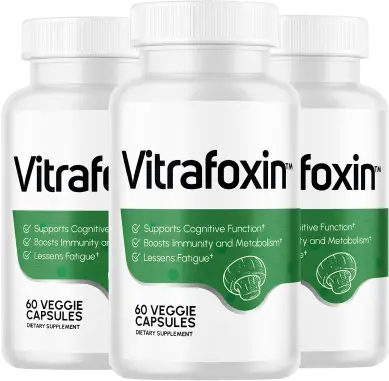
Understanding the profound impact of natural remedies, we at VitraFoxine have meticulously crafted a formula designed to synergistically combine the most powerful, science-backed ingredients to combat brain fog and mental fatigue. VitraFoxine isn't just another supplement; it's a comprehensive approach to supporting your brain's natural vitality.
Our research-driven blend focuses on enhancing neurotransmitter function, improving cerebral circulation, reducing oxidative stress, and promoting neurogenesis. We believe that true cognitive clarity comes from addressing the multifaceted causes of brain fog, not just masking its symptoms. VitraFoxine aims to provide your brain with the optimal nutritional environment it needs to thrive, sharpen your focus, boost your memory, and sustain your mental energy throughout the day. While individual results can vary, our commitment to natural, high-quality ingredients ensures a gentle yet effective path to a clearer mind.
Below, we highlight some of the key ingredients found in VitraFoxine, each chosen for its proven benefits in supporting cognitive function and overall brain health. We invite you to explore the science behind each component and understand how they work together to help you regain your mental edge. You might also be interested in a detailed look at how our product works compared to other options by reading our article does-vitrafoxine-work.html.

Lion's Mane Mushroom (Hericium erinaceus)
Role: Supports neurogenesis by stimulating Nerve Growth Factor (NGF), enhancing memory, focus, and overall cognitive function. Also known for its mood-balancing effects.
500-1000mg daily
Green Tea Extract (Standardized for L-Theanine)
Role: Promotes a state of calm, focused alertness by increasing alpha brain waves. Reduces stress and supports antioxidant defense in the brain without causing jitters.
100-250mg L-Theanine daily
Cordyceps Sinensis
Role: An adaptogenic mushroom that boosts cellular energy production and oxygen utilization, leading to improved mental stamina, reduced fatigue, and enhanced cognitive endurance.
500-1500mg daily
Reishi Mushroom (Ganoderma Lucidum)
Role: A powerful adaptogen known for its stress-reducing and immune-modulating properties. Helps calm the nervous system, supports better sleep, and indirectly contributes to mental clarity by reducing stress.
300-1000mg daily
Spearmint Extract (Standardized for Rosmarinic Acid)
Role: Clinically shown to improve working memory, attention, and the ability to fall asleep in older adults. Provides antioxidant and anti-inflammatory benefits for neuroprotection.
900mg daily
Bacopa Monnieri
Role: An ancient Ayurvedic herb that enhances memory, learning, and information processing. Its active bacosides support nerve impulse transmission and reduce anxiety, clearing mental fog.
300-500mg daily (50% bacosides)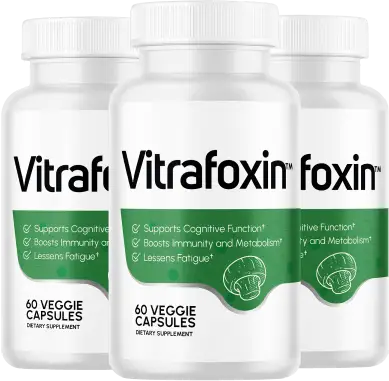
Experience Unwavering Focus & Clarity with VitraFoxine!
Don't let brain fog hold you back any longer. VitraFoxine offers a powerful, natural solution to unlock your full cognitive potential, helping you achieve sustained mental clarity and energy every day. Compare VitraFoxine with other leading supplements in our article vitrafoxine-vs-prevagen.html.
- ✓ Enhances focus and concentration
- ✓ Boosts memory recall and learning
- ✓ Reduces mental fatigue and sluggishness
- ✓ Supports overall brain health and neuroprotection
- ✓ Made with 100% natural, science-backed ingredients




What Our Customers Are Saying
"I've been struggling with brain fog for years, especially in the afternoons. Since starting VitraFoxine a month ago, I feel like a new person! My focus is sharper, and I can actually remember things without effort. Highly recommend!"
"As a busy professional, mental fatigue was constantly weighing me down. VitraFoxine has given me back my edge. I'm more productive, less stressed, and my thoughts are so much clearer. It's truly a game-changer for cognitive health."
"I was skeptical at first, but the natural ingredients in VitraFoxine convinced me to try it. I'm so glad I did! My memory has improved significantly, and I no longer feel that 'cloudy' sensation. My energy levels are also more consistent throughout the day."
Frequently Asked Questions
What exactly is brain fog and how does VitraFoxine help?
+Brain fog is not a medical condition itself, but rather a collection of symptoms including mental fatigue, difficulty concentrating, memory problems, and a general lack of mental clarity. It can be caused by various factors such as stress, poor sleep, nutritional deficiencies, and inflammation. VitraFoxine is formulated with a blend of natural ingredients scientifically studied for their potential to address these underlying causes, supporting neurotransmitter function, reducing oxidative stress, and enhancing cerebral blood flow to help clear the fog and improve cognitive function.
Are natural remedies for brain fog scientifically proven?
+Yes, many natural remedies for brain fog have undergone rigorous scientific scrutiny. Ingredients like Omega-3 fatty acids, B vitamins, Ginkgo Biloba, Bacopa Monnieri, Lion's Mane, and L-Theanine from green tea have shown promising results in clinical studies for improving memory, focus, and overall cognitive performance. While individual responses can vary, the collective evidence supports the efficacy of a holistic approach combining specific nutrients, herbs, and lifestyle adjustments.
How long does it take to see results from natural remedies or VitraFoxine?
+The timeline for experiencing results from natural remedies or VitraFoxine can vary based on individual physiology, the severity of brain fog, and consistency of use. Some individuals may notice improvements in focus and energy within a few weeks, while others might require 1-3 months for more pronounced and sustained cognitive benefits. It's important to maintain a consistent regimen and combine it with healthy lifestyle habits for optimal outcomes.
Is VitraFoxine safe and are there any side effects?
+VitraFoxine is formulated with 100% natural ingredients, carefully selected for their purity and potency. It is manufactured in a GMP-certified facility in the USA, adhering to strict quality control standards. While generally considered safe for most adults, as with any supplement, individual sensitivities can occur. Mild side effects are rare but could include digestive upset. We recommend consulting with your healthcare provider before starting any new supplement, especially if you have pre-existing medical conditions or are taking other medications.
Can I take VitraFoxine with other medications?
+While VitraFoxine contains natural ingredients, certain herbs and nutrients can interact with prescription medications. For example, some ingredients may affect blood thinners or blood pressure medications. It is crucial to consult with your doctor or a qualified healthcare professional before combining VitraFoxine with any prescription drugs to ensure there are no potential interactions and that it is safe for your specific health profile.
What is the recommended dosage for VitraFoxine?
+The recommended dosage for VitraFoxine is typically two capsules daily, preferably with a meal and a glass of water. It is important to follow the instructions on the product label and not exceed the recommended dose. Consistency is key to achieving the best results. If you have any specific concerns or medical conditions, please consult with your healthcare provider for personalized advice.
Related Articles